Common rubbish removal booking mistakes in Holland Park
Posted on 29/06/2026
Booking rubbish removal sounds simple enough. You send a few photos, pick a time, and expect the clutter to disappear. But in Holland Park, the small details matter more than people think. Tight access, resident parking, basement flats, garden clearances, and last-minute property moves can all turn a straightforward collection into a messy one if the booking is rushed.
This guide breaks down the common rubbish removal booking mistakes in Holland Park, why they cause problems, and how to avoid them without overcomplicating the process. If you are clearing a flat near the station, dealing with bulky furniture, or planning a bigger project like a loft, garage, or house clearance, a little preparation saves a lot of hassle. Truth be told, most avoidable issues happen before the van even turns up.
For a broader look at the services available locally, you may also find the services overview useful when comparing the right type of collection for your job.
Why Common rubbish removal booking mistakes in Holland Park Matters
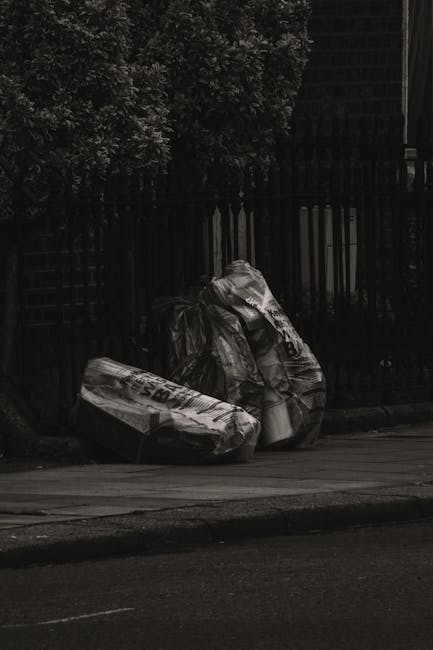
Booking mistakes cost time, money, and patience. In Holland Park, they can also affect access and timing in ways that are easy to overlook. A collection booked with the wrong assumptions may need a second visit, a bigger vehicle, or extra labour once the team sees the actual waste pile. That is where people feel frustrated, because the job looked simple from the kitchen floor.
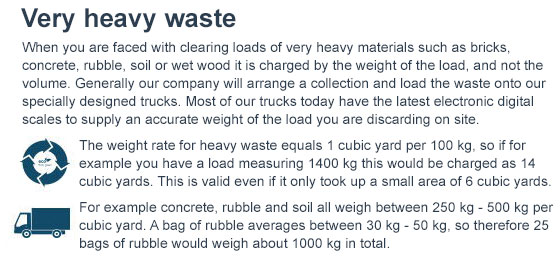
One of the biggest issues is that rubbish removal is often judged on appearance instead of volume, weight, and handling. A single sofa looks small until you need it taken down two flights of stairs. A few bags in the hallway can become a full load once they are gathered properly. And if items are mixed together, sorting them later can add time on site.
There is also a local angle. Holland Park properties often come with narrow stairwells, basement entrances, controlled parking, and shared access points. That means a vague booking does not just create admin headaches; it can affect the whole visit. A better booking gives the crew a fair chance to arrive prepared, which usually means a smoother, quicker collection.
Expert summary: the best rubbish removal booking is the one that describes the waste honestly, shows the access clearly, and gives the provider enough detail to price and plan the job properly.
If you are dealing with a property move, it may help to read about selling homes in the Holland Park area or buying property in Holland Park, because waste clearance often becomes part of the wider moving process.
How Common rubbish removal booking mistakes in Holland Park Works
Most rubbish removal bookings follow a similar pattern. You describe the waste, share photos or a list, get a quote, choose a time slot, and then the team removes the items from the property. The real difference is in the detail. Good bookings are specific. Poor bookings are built on guesswork.
To make the process work well, the provider usually needs to know:
- what types of items you want removed
- roughly how much waste there is
- where the items are located
- how easy it is to access the property
- whether there are stairs, lifts, or parking restrictions
- if any items need dismantling or special handling
That is especially relevant if you are booking rubbish clearance in Holland Park for a mixed load rather than a single-item pickup. Mixed loads often hide surprises: broken shelving, garden cuttings, packaging, old electronics, or a heavy wardrobe that needs to come apart before it leaves the building.
In practical terms, the booking process works best when you think like the crew. What would they need to know to finish the job in one visit? If you answer that question clearly, the rest gets much easier. It sounds obvious, but people often skip this step and then wonder why the quote changes on arrival. It happens all the time.
Key Benefits and Practical Advantages
A careful booking gives you more than peace of mind. It gives you a cleaner outcome, a fairer price expectation, and far less back-and-forth on the day. The benefits are not flashy, but they are very real.
- Fewer surprises: you are less likely to face unexpected add-ons or delays.
- Better time planning: the crew can arrive with the right vehicle, tools, and team size.
- Cleaner access management: shared hallways and tight parking become easier to handle.
- Less stress: you know what will happen and when.
- More suitable service choice: you can decide between rubbish collection, junk removal, furniture disposal, or a full house clearance.
That last point is worth spelling out. Not every job needs the same service. A few broken chairs may fit a simple furniture disposal service, while a loft full of mixed items might be better suited to loft clearance. Choosing the right format from the start saves a lot of awkwardness.
There is also a sustainability angle. A good booking makes it easier for the team to separate recyclable items, reusable pieces, and general waste. If environmental handling matters to you, a useful starting point is the site's recycling and sustainability information.
Who This Is For and When It Makes Sense
This topic matters to almost anyone booking waste removal locally, but it is especially relevant if your situation involves time pressure, access problems, or bulky items. If you are wondering whether you need to be overly careful, the answer is usually yes, just a little.
Common readers include:
- homeowners clearing out a room, garage, or garden
- tenants moving out and needing a fast turnaround
- landlords preparing a flat between lets
- estate agents and sellers dealing with leftover clutter
- office managers clearing desks, chairs, and packaging
- builders or contractors needing construction waste removed
- families handling bereavement clearances with sensitivity
If your job is connected to renovation or site work, builders waste clearance in Holland Park is usually a better fit than a general household collection. For outdoor work, garden waste removal is the more natural option.
It also makes sense when your own time is limited. Let's face it, not everyone has a free Saturday to drag waste to the front of the property and wait around. If you are juggling work, school runs, or a renovation deadline, getting the booking right the first time matters more than saving five minutes on the form.
Step-by-Step Guidance
Here is the simplest way to avoid booking mistakes before they happen.
- Sort the waste by type. Separate furniture, general rubbish, garden cuttings, metal, cardboard, electricals, and anything unusually heavy.
- Take clear photos. Capture the whole pile and a few close-ups. Include the path from the waste to the exit if access is tight.
- Measure the bulky items. A rough size check for sofas, wardrobes, mattresses, or white goods helps more than people realise.
- Be honest about access. Mention stairs, narrow hallways, basement steps, no-lift buildings, or parking complications.
- State the preferred timing. Morning, afternoon, same day, or flexible windows all change the planning.
- Ask what is included. Labour, loading, disposal, dismantling, and extra carry distance should all be clear.
- Confirm any restrictions. Some waste types need extra care, and some items are not suitable for standard collections.
- Keep the area ready. If possible, place the waste in one easy-to-reach spot before the team arrives.
If you need a faster decision because the waste is blocking a room, the guide on same-day rubbish clearance in Holland Park may help you understand when urgent booking is realistic.
A small but practical tip: send the photos in daylight if you can. Evening pictures always make things look darker, smaller, and somehow less urgent. That sounds trivial, but it can lead to the wrong estimate.
Expert Tips for Better Results
A few habits make bookings go much more smoothly.
- Describe the heaviest item first. That usually sets the right tone for the rest of the quote.
- Be specific about stair counts. "Second floor" is useful; "a few steps" is not always enough.
- Ask about waiting time. If access is controlled or you live in a busy shared building, this matters.
- Check whether dismantling is needed. Some large items are fine once broken down, but not before.
- Keep similar items together. It helps the crew move faster and reduces confusion.
- Use one decision-maker. Too many people guessing the load size can create mixed messages.
One of the better ways to avoid friction is to read the provider's terms before booking. Not for fun, obviously, but to understand what affects the price and what is expected on the day. The terms and conditions page can be handy for that sort of check.
For peace of mind around payment, it is also sensible to review payment and security. Simple, yes. But in a rush, people skip it. Then they are standing in the hallway at 8:30 on a Tuesday wondering whether they read the quote properly. Not ideal.
Common Mistakes to Avoid
This is the heart of it. Most booking errors fall into a few predictable buckets.
1. Underestimating the amount of waste
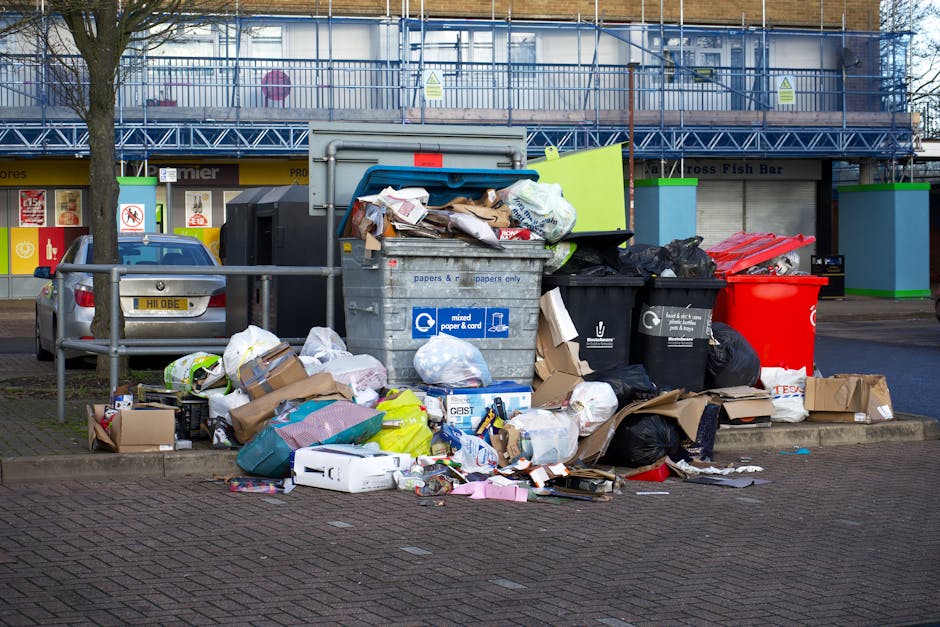
The classic mistake. A pile that looks like "a few bits" can turn into a full load once bags are opened and loose items are gathered. Underestimating the volume often leads to a quote mismatch or a longer collection than expected.
2. Hiding awkward access details
If the team has to navigate narrow stairs, locked gates, no parking, or a long walk from the curb, that should be said upfront. It is not about making the job seem difficult. It is about being realistic.
3. Mixing restricted items with general waste
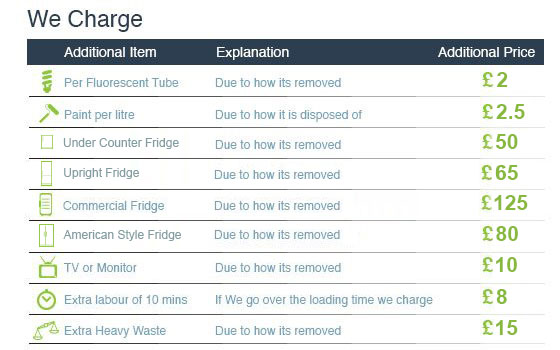
Old paint, chemicals, batteries, fridges, and certain electrical items may need separate handling. If they appear unexpectedly, the provider may need to pause the job until the correct arrangements are made.
4. Booking the wrong service type
A full house clearance is not the same as a quick junk pickup, and an office clear-out is different again. Choosing the wrong service can mean you pay for the wrong level of labour or arrive underprepared.
5. Forgetting to mention bulky furniture
Big sofas, wardrobes, bed frames, and cabinets often require dismantling or extra lifting. If they are not declared clearly, the crew may not bring the right tools or enough time.
6. Leaving the booking too late
Same-day help can be available, but not always. If you wait until the hallway is packed or the deadline is tomorrow morning, your options shrink quickly. Planning even one day earlier can make a surprising difference.
7. Ignoring local context
Holland Park properties are not all the same. A ground-floor flat near wider streets is very different from a top-floor apartment or a period home with a tricky side return. A booking should reflect the actual building, not a generic London address.
Tools, Resources and Recommendations
You do not need a complicated toolkit, just a few practical aids before you book.
- Phone camera: take wide shots and close-ups of the pile.
- Measuring tape: quick dimensions for large furniture or appliances.
- Notebook or notes app: list item types, access issues, and preferred dates.
- Bin bags or labels: helpful when separating small waste from reusable items.
- Building access plan: know the lift, staircase, gate code, or parking setup before collection day.
For related local reading, there are a few useful pages that add context depending on your situation. If you live in a flat, the flat rubbish clearance guide for Holland Park Road W11 is especially relevant. If your rubbish is related to a move or property sale, the posts on buying property in Holland Park and selling homes in Holland Park can help you think a bit more strategically.
And if you want a more general local perspective, local tips on whether Holland Park is ideal for you gives a good sense of the area's rhythm and practical day-to-day feel.
Law, Compliance, Standards, or Best Practice
When rubbish is being removed in the UK, the safest approach is to follow accepted waste-handling practice and make sure the provider manages disposal responsibly. You do not need to become a waste expert overnight, but you should know a few basics.
First, some items require extra care. Electrical equipment, mattresses, bulky furniture, garden waste, and building debris may all be treated differently. Second, you should be cautious with anything hazardous, sharp, or contaminated. If a booking ignores those differences, the job can become inefficient or unsafe.
Best practice also means being honest about what is being removed. A provider can only plan properly if the information is accurate. That is not bureaucracy for the sake of it; it is how you avoid misunderstandings. In our experience, the smoothest collections are the ones where nobody is making assumptions.
Safety matters too. If the waste is heavy, awkward, or stored in a cramped area, the team should be aware in advance. The page on insurance and safety is worth checking if you want reassurance about how that side is handled.
There is also a duty to think about reuse and recycling where possible. Not every item needs to go straight to disposal. That part is not just good manners; it is common sense.
Options, Methods, or Comparison Table
Different jobs suit different solutions. Here is a simple comparison to help you choose the right route before booking.
| Option | Best for | Strengths | Watch-outs |
|---|---|---|---|
| Rubbish collection | General mixed waste, bagged items, smaller clearances | Simple, flexible, quick to arrange | May not suit very large or complex jobs |
| Junk removal | Unwanted mixed household clutter | Handy for quick tidying and ad hoc items | Check what is included before booking |
| Furniture disposal | Sofas, beds, tables, wardrobes | Useful for bulky single items | Dismantling or access issues may affect timing |
| House clearance | Whole rooms, properties, probate or move-out clearances | More complete and organised | Needs accurate volume and access details |
| Skip hire | Longer projects with ongoing waste output | Good for DIY or renovation work | Requires space and may need permits or planning |
If you are stuck between options, it is usually smarter to describe the job first and let the service match the waste, rather than picking a service name and hoping it fits. A small distinction, but an important one.
Case Study or Real-World Example
A typical Holland Park scenario goes like this. A resident in a top-floor flat decides to clear out a spare room before visitors arrive. The room contains a chest of drawers, two armchairs, a desk, several black bags, and a few boxes of mixed clutter. The initial thought is, "It's not that much."
Then the details emerge. The building has a narrow stairwell, there is no lift, parking is tight, and the furniture cannot be moved in one piece. If the booking only says "few items for collection," the crew may arrive expecting a lightweight job and then find themselves carrying bulky furniture down several floors. That creates delays, stress, and possibly a revised quote.
When the same job is booked properly, the photos show the full load, the stair count is mentioned, and the furniture dimensions are noted. The team arrives ready to dismantle what needs dismantling, allocate the right amount of time, and complete the collection without fuss. Same property, same waste, very different outcome. That is the whole point.
It is a bit like preparing for guests: if you know people are coming through the side entrance and not the front, you make the tea, open the door, and clear the hallway. A rubbish booking works the same way. Good preparation saves everyone a headache.
Practical Checklist
Before you confirm a collection, run through this quick checklist.
- Have I described every item that needs removing?
- Did I mention bulky furniture, white goods, or awkward items?
- Have I shared clear photos from more than one angle?
- Did I explain the access route, stairs, lift, or parking situation?
- Do I know whether the job is best suited to rubbish removal, furniture disposal, house clearance, or skip hire?
- Have I checked whether anything needs special handling?
- Is the booking date realistic for my deadline?
- Do I understand what the quote includes?
- Have I read the main terms and payment details?
- Is the area ready for a quick and safe collection?
If you can tick most of those off, you are in a good place. Not perfect. Just properly prepared, which is honestly enough.
Conclusion
The biggest Common rubbish removal booking mistakes in Holland Park are usually simple ones: vague descriptions, missing access details, the wrong service choice, and leaving everything too late. None of those are dramatic on their own, but together they create the kind of booking that turns a small job into an awkward one.
The good news is that they are easy to avoid. A few clear photos, an honest description, and a realistic understanding of the property layout will take you a long way. That is especially true in Holland Park, where homes and flats can be beautifully varied but not always easy to access. A thoughtful booking protects your time, your budget, and your sanity. Which, on a busy week, is no small thing.
If you are planning a clearance and want to talk through the best option for your situation, the simplest next step is to get in touch through the site's contact page and compare the service that actually fits your waste, access, and timing.
Get a free quote today and see how much you can save.


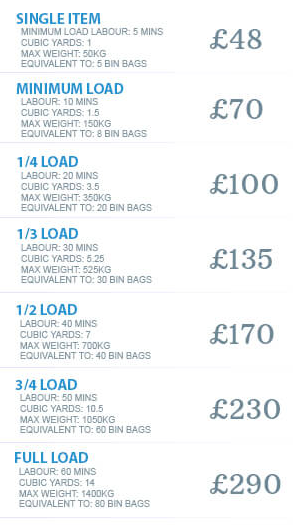
 Tipper Van - Rubbish Removal and Junk Collection Prices in Holland Park, W8
 Luton Van - Rubbish Removal and Junk Collection Prices in Holland Park, W8