Difficult access rubbish jobs Holland Park mews solutions
Posted on 08/07/2026

Difficult access rubbish jobs Holland Park mews solutions: a practical guide for tight spaces, mews lanes, and awkward clearances
If you have ever tried to move bulky rubbish through a narrow Holland Park mews, a basement stairwell, or a courtyard with barely enough room to turn, you already know the problem: rubbish removal gets complicated fast. Difficult access rubbish jobs Holland Park mews solutions are all about handling those awkward jobs safely, quietly, and without damaging walls, gates, paving, or your own patience. In a place where parking is tight and access can be more like a puzzle than a driveway, the right plan makes all the difference.
This guide breaks down how difficult-access clearances work, when they make sense, what to watch out for, and how to choose a method that fits the property rather than forcing the property to fit the job. Whether you are clearing a mews house, a rear garden, a basement, or a renovation site, you will find practical advice here-not just theory.
Why Difficult access rubbish jobs Holland Park mews solutions Matters
Holland Park mews properties and similar tucked-away addresses often look elegant from the street, but the logistics can be a different story. Narrow entrances, shared access, low walls, short driveways, resident parking pressure, and awkward staircases all make straightforward waste removal harder than it sounds. Add bulky furniture, builders' rubble, or garden waste after a long weekend, and the whole thing can become a bit of a headache.
Why does this matter so much? Because difficult access changes almost everything: the type of vehicle that can get near the property, how many people are needed, whether items can be carried safely by hand, and how much time the job will take. A clearance that looks simple on paper can take twice as long if there is nowhere to park, no lift, and a long carry route through a mews passage. To be fair, that is where many jobs get messy-not in the rubbish itself, but in the access.
There is also the matter of protecting the property. Tight corners and period finishes leave little margin for error. One careless scrape against a painted wall or a chipped stone threshold, and suddenly the clearance has created a new repair job. Good planning avoids that. It also helps keep neighbours on side, which is no small thing in a quieter mews setting.
If you want a broader look at how local services are structured, the services overview is a helpful starting point. And if your job is tied to a refurbishment, the approach is often different again; in that case, builders waste clearance in Holland Park is especially relevant.
How Difficult access rubbish jobs Holland Park mews solutions Works
The best difficult-access clearance jobs follow a simple principle: assess first, then move. The assessment is not just a quick glance at the rubbish pile. It includes access width, staircase turns, surface protection, collection point, item weight, and any timing restrictions around neighbours or parking. Sounds obvious, but you would be surprised how often that gets skipped.
In practical terms, the process usually goes like this:
- Initial review - Check what needs removing, where it sits, and what route the team will use.
- Access planning - Decide whether the load can be moved by hand, broken down first, or carried in stages.
- Vehicle positioning - Choose the closest legal stopping point, then plan the carry distance from there.
- Protection and preparation - Use covers, lifting gear, and route protection where needed.
- Removal and sorting - Clear the items efficiently, separating reusable, recyclable, and general waste where possible.
- Final sweep - Check the route, gate areas, stair edges, and corners for stray debris.
For some jobs, manual carrying is the right answer. For others, the solution is to dismantle items first-wardrobes, desks, beds, shelving, even some garden structures. If a job involves awkward household items, the furniture disposal service may be a better fit than trying to force a one-size-fits-all clearance.
There is also a big difference between a quick junk uplift and a proper access-managed clearance. In tight mews lanes, the crew may need to work in smaller loads, make multiple trips, or stage items carefully near the exit. It is not glamorous. It is just the smart way to do it.
Key Benefits and Practical Advantages
When difficult access rubbish jobs are handled well, the benefits are immediate and very practical. The first one is obvious: the rubbish actually gets out without causing a scene. But the value goes beyond that.
- Less property damage risk - Careful route planning reduces knocks, scrapes, and scuffed surfaces.
- Better time control - A prepared crew spends less time improvising on site.
- Cleaner neighbour relations - Quieter, shorter, better-organised jobs are easier to live alongside.
- Safer lifting and carrying - Difficult items are handled with the right technique and fewer manual handling risks.
- More efficient disposal choices - The job can be sorted into reuse, recycling, and waste without chaos.
- Fewer hidden surprises - Access issues are identified early, not discovered once everyone is already parked and carrying.
There is a real peace of mind in all this. If you have ever watched two people trying to twist a sofa around a tight corner in a mews stairwell, you will know the feeling. It is not just about moving rubbish. It is about moving it without turning the job into a small disaster.
If the job has a broader waste element rather than just one bulky item, rubbish clearance in Holland Park or waste removal may be the better route, especially where mixed materials are involved.
Who This Is For and When It Makes Sense
This kind of solution is useful for anyone dealing with awkward access rather than straightforward front-drive collection. In Holland Park, that often includes mews homeowners, landlords, letting agents, builders, estate agents, office managers, and people clearing out a property before sale or after a tenancy ends.
Common real-world situations include:
- a mews house with no direct vehicle access
- a basement flat with a steep stair flight and no lift
- a rear garden clearance reached only through the property
- a renovation where rubble must be carried through a narrow hallway
- a property where parking is restricted and loading must be timed carefully
- a last-minute clearance before photography, handover, or move-out
It also makes sense when a normal skip would be awkward or overkill. Skip hire can work in some settings, but in narrow mews lanes, a skip may be hard to position, may require permits or permissions, and can sit there blocking access longer than you would like. If you are weighing that up, the skip hire option in Holland Park is worth comparing carefully with a direct collection.
For some readers, the trigger is emotional as much as practical. You may have inherited a property, you may be under time pressure, or you may just be staring at a pile of items and thinking: right, I do not want to wrestle this down three flights of stairs. Fair enough.
Step-by-Step Guidance
If you want the job to go smoothly, a little structure goes a long way. Here is the process we recommend for difficult access rubbish jobs in Holland Park mews settings.
1. Walk the access route first
Start with the route, not the rubbish. Measure gates, note stair turns, check for low ceilings, and look for fragile details like mirrors, railings, or decorative stone. A ten-second assumption can cost an hour later.
2. Identify what can be dismantled
Some items look immovable until they are broken down. Bed frames, wardrobes, desks, sheds, and shelving often become much easier once separated into manageable sections. This is especially useful in mews homes where turning radius is limited.
3. Separate the waste types
Mixed loads can be cleared efficiently, but sorting helps. Put aside items suitable for recycling, items for reuse, and anything that needs special handling. If you are dealing with garden material, the garden waste removal service may be more appropriate than a general clearance.
4. Plan the safest carry line
Choose the route with the fewest sharp turns and the best flooring protection. Even if it adds a few metres, a straighter, safer line is often the better choice. In narrow properties, shorter jobs are not always faster jobs.
5. Protect the property before lifting starts
Use covers where needed, keep doors propped safely, and avoid dragging items. A few minutes of preparation saves far more time than a repair conversation later. Nobody wants that conversation.
6. Clear in stages if the access is tight
When there is no space to stage everything outside, work in smaller batches. Move items to a safe holding point, then to the vehicle. It can feel slower, but it usually means fewer collisions, fewer slip risks, and better control.
7. Finish with a proper sweep
Check the whole route once the clearance is done. Look under steps, behind gates, and along skirting edges for screws, splinters, dust, or packaging. The job is not really finished until the route is clean.
Expert Tips for Better Results
There are a few practical habits that make a big difference with difficult access jobs. They are simple, but very effective.
- Photograph the access in daylight before the team arrives. Early morning light helps show tight corners, kerbs, and surface conditions.
- Be honest about weight. A "light desk" is sometimes a solid oak beast. That matters for carrying and loading.
- Think about timing. Early or mid-morning often works better than late afternoon in busy residential streets.
- Keep neighbours informed if the job is likely to create noise or require several trips through shared space.
- Use the right service type rather than hoping a general collection will handle everything neatly.
One small but useful point: if access is difficult because of building works, think about waste volume as the project progresses, not only at the end. Construction waste has a habit of appearing in small waves, then suddenly in one enormous pile. That rhythm is very familiar to anyone who has worked around refurbishments.
For more context on local collection patterns, the article on rubbish removal options near Holland Park Station is a useful nearby read, especially if you are comparing access, timing, and transport logistics.
Common Mistakes to Avoid
The biggest mistakes tend to be avoidable, which is annoying but also encouraging. If other people can avoid them, so can you.
- Leaving access assessment too late - The property needs to be checked before the booking is locked in.
- Underestimating carry distance - Ten metres becomes a lot when repeated with heavy items.
- Forgetting about parking - A perfect removal plan can fall apart if the vehicle has nowhere legal to stop.
- Not breaking down bulky items - Many problems disappear once large pieces are dismantled.
- Mixing hazardous and general waste - Some materials need separate handling. Do not just toss everything together and hope for the best.
- Choosing skip hire by default - Sometimes a skip is right, but not always in a tight mews environment.
There is a good reason experienced teams ask a lot of questions upfront. It is not fussiness. It is how you prevent delays, extra labour, and awkward last-minute surprises. If you want to avoid booking problems more broadly, this guide to common booking mistakes is well worth a look.
Tools, Resources and Recommendations
For difficult access work, the right tools matter as much as the right people. You do not need a warehouse full of specialist kit, but the basics should be solid.
| Tool or resource | Why it helps | Best used for |
|---|---|---|
| Protective blankets and floor covers | Reduces damage to paintwork, flooring, and thresholds | Stairs, hallways, mews entrances |
| Straps and lifting aids | Improves control when carrying awkward or heavy items | Furniture, white goods, dense loads |
| Basic dismantling tools | Turns one bulky item into manageable parts | Wardrobes, bed frames, shelving |
| Clear route photos | Helps plan access before arrival | Quoting, scheduling, risk review |
| Load-sorting containers | Keeps recyclable and general waste separated where practical | Mixed clearances |
When you are comparing services, look at more than just the headline price. Ask what is included, whether access issues are factored in, how the team handles heavy items, and whether insurance and safety procedures are clear. The insurance and safety information is especially useful if you want reassurance before booking.
If you are making a decision around pricing, the pricing and quotes page can help you understand how a proper quote is usually structured. And if you are looking for the wider picture of how the company works, about us gives useful background too.
Law, Compliance, Standards and Best Practice
With waste removal, the safest approach is to follow the usual UK best-practice expectations: handle waste responsibly, keep hazardous items separate where required, and use a provider that treats disposal seriously rather than casually. That is especially important in residential mews areas where shared access and neighbour impact are part of the picture.
If the job involves renovation debris, mixed materials, or anything that could be dusty, sharp, or heavy, safe handling matters. Good practice usually includes:
- proper manual handling methods
- clear route planning
- protective covering for vulnerable surfaces
- appropriate segregation of waste types
- careful loading so items do not shift in transit
From a customer point of view, the useful question is simple: does the service make difficult access safer and more controlled, or does it just hope for the best? In our experience, the best operators are the ones who slow down at the start so the job can move faster later. That sounds almost backwards, but it works.
For readers who care about sustainability and disposal outcomes, recycling and sustainability is a sensible page to review. And for a broader service-level overview, rubbish collection in Holland Park can help you decide whether a straightforward collection or a more managed clearance is the better fit.
Options, Methods and Comparison Table
Different access problems call for different solutions. There is no single perfect method for every mews property, and anyone pretending there is probably has not carried a sofa through a narrow archway lately.
| Method | Best for | Strengths | Limitations |
|---|---|---|---|
| Manual hand-carry clearance | Tight mews access, stair-heavy properties, small to medium loads | Flexible, controlled, usually best for tight routes | Slower for large volumes, more labour-intensive |
| Skip hire | Jobs with space for a skip and a manageable loading route | Useful for ongoing projects, simple disposal flow | Can be awkward in narrow streets and may block access |
| Bulky-item dismantling | Large furniture or fixtures that will not fit through easily | Makes difficult items manageable | Takes time and care to do safely |
| Staged clearance with multiple trips | Complex routes or mixed loads | Reduces congestion and lifting strain | May take longer overall |
For many Holland Park mews jobs, the best answer is a hybrid: dismantle the bulky bits, carry by hand, and keep the process tidy. If you are dealing with larger household contents rather than just one or two objects, house clearance in Holland Park is often more efficient than piecing together smaller fixes. For office-related access problems, office clearance may be the better comparison.
Case Study or Real-World Example
Imagine a mews property off a quiet Holland Park side street. The access is narrow, the front gate opens only partway, and the rubbish includes a dismantled wardrobe, several bags of old household items, a broken shelving unit, and a couple of awkward boxes from a loft tidy-up. No vehicle can park right outside for long, and the hallway inside is just wide enough for one person to carry at a time.
Here, the sensible solution is not to force a full-load strategy. The team would first identify the carry line, protect the hallway edges, and separate the bulky wardrobe into panels. Smaller items would go in measured loads. The loft boxes would be checked in case anything recyclable or reusable could be sorted out. The job would likely involve more than one trip, but it would move steadily rather than chaotically.
That kind of clearance is fairly typical in mews settings: a little slower than a standard roadside pickup, but far more controlled. And in the real world, controlled usually wins.
If the same property were being prepared for sale, it might make sense to combine the clearance with a broader declutter. For context on that stage of the journey, selling homes in the Holland Park area offers a useful local perspective. If you are buying into the area, this buying guide is also worth reading, because awkward access is one of those issues that can be easy to overlook when you are focused on the bigger picture.

Practical Checklist
Use this before booking or starting a difficult-access rubbish job in a Holland Park mews property.
- Measure gates, stairs, and narrow points.
- Take photos of the access route in good light.
- List bulky items that may need dismantling.
- Identify any fragile surfaces, corners, or thresholds.
- Check parking and stopping restrictions.
- Decide whether the job is best handled as general rubbish, furniture disposal, garden waste, or clearance.
- Separate obvious recycling where practical.
- Confirm whether the crew needs to work in stages.
- Warn neighbours if access will be shared or traffic through the mews will be repeated.
- Ask how the provider handles safety, insurance, and disposal.
- Clarify whether the quote includes difficult access and item dismantling.
- Book with enough lead time if parking or timing is tight.
If your job has become urgent-maybe a move, tenancy handover, or renovation hand-off-then a quicker response may be needed. The same-day clearance guide may help you think through timing, while the flat clearance guide is especially useful where stairs and confined access are part of the challenge.
Get a free quote today and see how much you can save.
Conclusion
Difficult access rubbish jobs in Holland Park mews areas are rarely about brute force. They are about planning, patience, and making the access work for the clearance instead of the other way around. When the route is narrow, the parking is awkward, or the items are just too bulky to carry casually, a well-planned approach saves time, protects the property, and keeps the whole thing calmer.
The best solution is usually the one that fits the space: hand-carry where needed, dismantle where sensible, sort waste properly, and keep the route protected. Simple enough in theory. A little trickier in practice, yes-but very manageable with the right setup.
If you are standing in a mews lane right now looking at a pile of stuff and wondering how on earth it is all going to disappear, take a breath. There is usually a clean way through it, even if the route looks tight at first glance.


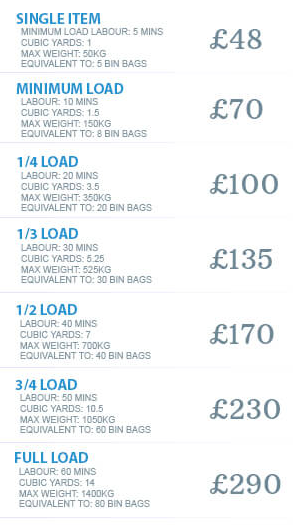
 Tipper Van - Rubbish Removal and Junk Collection Prices in Holland Park, W8
 Luton Van - Rubbish Removal and Junk Collection Prices in Holland Park, W8