Fines for illegal rubbish dumping Holland Park what to know
Posted on 10/09/2026
If you have found yourself wondering about fines for illegal rubbish dumping Holland Park what to know, you are probably dealing with one of two things: a mess that needs sorting quickly, or a worry that a simple disposal mistake could turn into a costly headache. Either way, it pays to understand the basics before you move a single bag. Illegal dumping can lead to enforcement action, stress, and avoidable expense, and in a place like Holland Park, where streets, mews, flats, and shared access points can make waste handling a bit fiddly, the risk of getting it wrong is very real.
This guide breaks the topic down in plain English. You will learn what counts as fly-tipping, how fines are typically handled, what to do if rubbish has been left near your property, and how to avoid the common mistakes that catch people out. There is also a practical checklist, a comparison table, and a local-minded approach to lawful rubbish disposal that should leave you feeling more confident, not more confused.

Why Fines for illegal rubbish dumping Holland Park what to know Matters
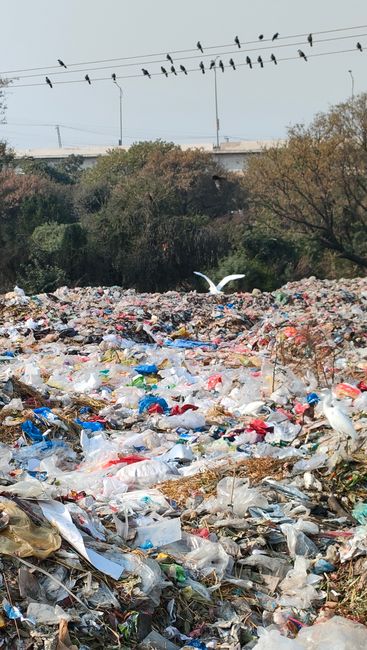
Illegal rubbish dumping is not just an eyesore. In practical terms, it can block pavements, attract more mess, create pest problems, and make a neighbourhood feel less cared for. In a place like Holland Park, where residents often expect a tidy streetscape and where access can be narrow or shared, dumped waste stands out quickly. That means it is more likely to be reported, investigated, and removed at someone's expense.
The thing many people miss is that enforcement does not only target dramatic fly-tipping incidents. Small acts can count too. Leaving a sofa beside a bin store, putting builder's waste next to a wall because "someone will take it," or handing rubbish to an unlicensed collector can all lead to problems. Let's face it, most people do not wake up planning to break waste rules. It usually starts with convenience, a rushed move, or a cheap deal that seemed fine at the time.
For local homeowners and tenants, the stakes are simple: if waste is left incorrectly, the clean-up cost and any penalty can quickly become far more expensive than doing things properly in the first place. For landlords, managing agents, builders, and small businesses, the reputational risk matters too. One bad disposal decision can become an awkward conversation with neighbours, freeholders, or contractors. Not ideal.
Expert summary: The safest approach is usually the boring one: know what counts as lawful disposal, use a legitimate waste route, keep records where appropriate, and never assume a bag left "temporarily" will be treated as harmless.
How Fines for illegal rubbish dumping Holland Park what to know Works
In practice, fines and enforcement for illegal dumping usually depend on what happened, where it happened, and who is believed to be responsible. A dumped mattress outside a block of flats is not treated the same as a recurring commercial waste issue from a renovation job. That sounds obvious, but it matters because the response can vary from a fixed penalty to a fuller investigation.
Here is the basic flow most people should understand:
- The waste is discovered. This may be reported by a resident, a passer-by, a building manager, or during a routine street inspection.
- Evidence is checked. Officers or investigators may look for names, addresses, invoices, parcel labels, contractor details, vehicle clues, or CCTV footage where available.
- Responsibility is assessed. The question is not only who left it there, but who arranged the disposal, who controlled the waste, and whether a duty of care was breached.
- Action follows. That may include a warning, a fixed penalty, a request for removal, or referral for a more formal enforcement route in serious cases.
The exact amount of any fine is not something to guess at casually, because different cases can be treated differently and penalties can change. What you should know is that the costs can escalate quickly once investigation, clean-up, and evidence handling are involved. Even if the fine itself is not the biggest figure, the total expense often is.
There is also a common misunderstanding around private land. People sometimes think, "It is behind a gate" or "it is only next to our building," so it does not really count. That is risky thinking. Waste left in the wrong place can still be treated as dumped, and responsibility often follows whoever arranged or abandoned it.
Key Benefits and Practical Advantages
Understanding illegal dumping fines is not just about avoiding punishment. It helps you make better decisions when you are clearing a flat, moving house, handling garden cuttings, or dealing with renovation debris. A bit of knowledge saves time and money. That is the real win.
- You avoid unnecessary penalties. The obvious one, but still the biggest.
- You protect your property and reputation. Especially useful for landlords, managing agents, and local businesses.
- You choose the right disposal method faster. That means less back-and-forth and fewer awkward surprises.
- You reduce the chance of neighbour complaints. A pile of rubbish on a shared access path can become a problem surprisingly fast.
- You keep records that matter. Receipts, booking confirmations, and contractor details can be useful if anyone asks questions later.
There is also a quieter benefit: peace of mind. You do not have to keep wondering whether that old wardrobe or stack of builder's rubble is going to come back to bite you. Once disposal is organised properly, you can move on. Simple, really.
If your situation involves a bigger clearance, a same-day turnaround, or waste from a refurbishment, it may help to look at the full range of local waste and clearance services so you can match the disposal method to the job rather than improvising at the kerb.
Who This Is For and When It Makes Sense
This topic matters to more people than you might think. It is not only for people who have already made a mistake. In fact, the best time to understand fines for illegal rubbish dumping is before you book disposal, not after.
- Homeowners clearing lofts, garages, gardens, or spare rooms.
- Renters who are leaving a property and want to avoid deposit disputes or shared-area problems.
- Landlords and agents handling end-of-tenancy clearances or bulky leftovers.
- Builders and tradespeople dealing with renovation waste, plasterboard, timber, or packaging.
- Office managers arranging furniture, filing, or equipment disposal.
- Anyone tempted by a cheap unverified collector who offers to "take it away this afternoon."
It also makes sense if you are preparing for a move in Holland Park. Moves often create a strange mix of items: broken storage, packaging, old furniture, and bits you swore you would sort out "later." Later has a habit of becoming the day before completion. If that sounds familiar, you are not alone. It happens all the time.
For people selling or buying locally, it can be useful to read more about the area in this guide to selling homes in Holland Park or this property buyer's guide, especially where preparation, presentation, and timing matter.
Step-by-Step Guidance
If you want to avoid fines and disposal problems, do not try to solve everything in one go. Break it down. A calm, structured approach is usually enough.
- Identify the waste correctly. Is it household rubbish, bulky furniture, garden waste, or construction debris? Different waste types often need different handling.
- Check whether it is your responsibility. This is crucial in flats, shared bin stores, rental properties, and construction sites. Responsibility can be less obvious than people expect.
- Use a lawful disposal route. That might be a licensed clearance service, an authorised collection option, or a properly arranged skip where allowed.
- Keep evidence of disposal. Save the invoice, booking details, and any relevant confirmation. A screenshot on your phone is better than nothing, although yes, better still is a proper record.
- Do not leave items outside "just for now." Even a short delay can turn into an issue if it is in a communal area, by the roadside, or somewhere passers-by assume is abandoned.
- Remove waste promptly after events or works. Party debris, decorating leftovers, and renovation bags all have a habit of spreading when left too long.
When the waste is awkward, heavy, or time-sensitive, it can help to compare different routes before you commit. For example, a domestic loft clear-out and a builder's rubble job are not the same thing at all. One may need a quick mixed-load removal, while the other might call for a more specific arrangement. If you are dealing with construction leftovers, builders' waste clearance in Holland Park is the more relevant route to look at.
And if your job is more about simple household clutter, a focused rubbish clearance service in Holland Park may be the cleaner fit. Different job, different approach. Saves hassle later.
Expert Tips for Better Results
These are the small habits that make a big difference. They are not flashy, but they work.
- Take photos before collection. If a dispute ever arises, you can show what was present and when.
- Label mixed waste sensibly. It helps when you are separating reusable items, recyclables, and true waste.
- Be careful with shared entrances and mews access. In tight spaces, even a short-lived pile can cause complaints or access problems.
- Ask whether the collection is licensed and insured. You are not being awkward. You are being sensible.
- Remove waste the same day if possible after clear-outs. The longer it sits, the more likely it becomes part of the street scene.
- Use a provider that explains recycling and disposal clearly. That is usually a good sign they know what they are doing.
In our experience, the people who avoid problems are not necessarily the ones with the smallest jobs. They are the ones who treat the disposal step as part of the job, not an afterthought. That one detail changes a lot.
If sustainability matters to you, it is worth reviewing the recycling and sustainability approach before you book anything, because proper sorting can reduce waste and make the whole process feel a lot cleaner in every sense.
Common Mistakes to Avoid
Most fines and disputes come from predictable mistakes. Nothing exotic. Just rushed decisions and assumptions that do not hold up.
- Leaving rubbish near a bin store or wall. If it looks abandoned, it may be treated as abandoned.
- Using an unlicensed collector. Cheap is not cheap if the waste ends up traced back to you.
- Assuming someone else will move it. That sofa will not magically walk away. A shame, really.
- Mixing hazardous items with general waste. This can create an extra layer of risk and possible non-compliance.
- Not checking access rules for skips or loading areas. Especially relevant where roads are tight or shared.
- Failing to keep proof of lawful disposal. If questioned, you want something better than "I think I booked someone."
For local context around collection rules and street-side disposal, it can also help to review the Holland Park council rubbish collection rules guide and the related bulky rubbish rules overview. Those pages are useful if you are trying to understand what should and should not be left out.
One more thing: if you have found dumped waste outside your property, do not move it into a random new spot and hope the issue disappears. It usually just changes shape. The better move is to document it, report it through the proper channel you use locally, and arrange removal if it is your responsibility.
Tools, Resources and Recommendations
You do not need a complicated toolkit for this topic, but you do need a few practical habits and resources in your own process.
- Phone camera: useful for before-and-after photos.
- Simple checklist: write down the waste type, access limitations, and disposal date.
- Booking confirmation: keep emails or messages until the job is fully complete.
- Storage bags or boxes: helpful for separating items before collection.
- Clear route planning: important in mews, flats, and buildings with restricted access.
For a broader sense of how disposal services are organised locally, house clearance in Holland Park, office clearance, and furniture disposal are all sensible starting points depending on what you are actually getting rid of.
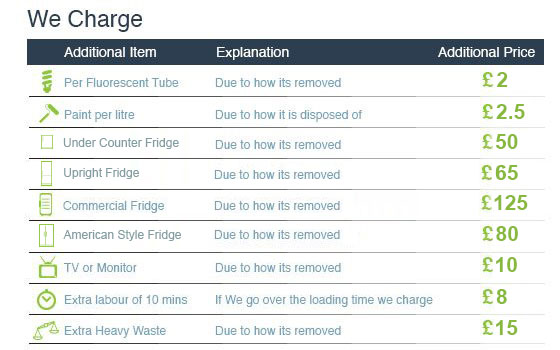
If you are comparing options and want to understand cost and booking style before you decide, the pricing and quotes page can help you think through the next step without overcommitting too early.
Law, Compliance, Standards and Best Practice
Although this article is not legal advice, the core principle is straightforward: waste should be handled lawfully, by someone appropriate for the job, and with enough evidence to show it was disposed of properly. In the UK, the duty of care around waste means that people who produce, carry, or arrange disposal all need to behave responsibly. That is the simple version, and it is the one that matters most in day-to-day life.
For readers in Holland Park, the practical takeaway is this: do not rely on verbal assurances alone. If a collector says they will "take care of everything," make sure there is a clear paper trail and a sensible explanation of what happens to the waste. The standard you want is not just removal, but lawful removal.
Some best-practice points are worth repeating because they save trouble:
- Use an established provider where possible.
- Check whether the service is suitable for household waste, mixed items, or construction debris.
- Keep records of what was collected and when.
- Avoid leaving waste outside unless it is a legitimate collection point and time.
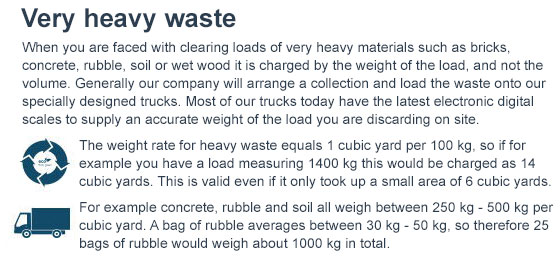
- Be extra careful with bulky, hazardous, or builder's waste.
For safety and due diligence, it also helps to understand how the provider handles risk. The insurance and safety information is a good reminder that proper lifting, vehicle handling, and site awareness matter more than people think. One awkward staircase or narrow courtyard can turn into a real problem if nobody has planned properly.
And yes, even if a job feels small, the standard does not really change. Waste either leaves responsibly, or it does not. There is not much middle ground there.
Options, Methods, or Comparison Table
When people ask about fines for illegal rubbish dumping Holland Park what to know, they often really want to know which disposal option is safest for their situation. Here is a simple comparison to help.
| Option | Best for | Main advantage | Watch out for |
|---|---|---|---|
| Licensed rubbish clearance | General household, mixed clutter, bulky items | Fast, straightforward, reduced compliance risk | Make sure the booking is clear about what is included |
| Builders' waste clearance | Renovation debris, timber, rubble, site waste | Better fit for heavier or more specific loads | Check access and waste type in advance |
| Skip hire | Longer jobs, ongoing clear-outs, larger volumes | Useful if waste will build up over time | Permits, placement, and loading rules can matter |
| Ad hoc roadside dumping | Nothing, really | None | High risk of enforcement, complaints, and extra cost |
If you are unsure which route fits, start with the job size and waste type, not the price tag. That is where people go wrong. A slightly cheaper option that is wrong for the load can become the expensive one very quickly. For skip-related questions, the page on skip hire in Holland Park is useful context, and the skip permits and disposal rules article adds practical local detail.
Case Study or Real-World Example
A fairly typical situation goes like this. A flat in Holland Park gets cleared after a move. There are a few bags of clothes, a broken bedside table, some packaging, and one old armchair that nobody wants. The residents are tired, the lift is small, and the hallway is shared. Someone suggests just leaving everything neatly by the bin area overnight.
That sounds harmless. It is not ideal. Overnight can become a weekend. A weekend can become a complaint. And once other people start adding their own waste, the original items are no longer easy to separate from the rest. Now the property manager wants answers, neighbours are annoyed, and the clean-up has become more expensive than the original clearance would have been.
The better version is simple: book a lawful collection, move the items out at the scheduled time, take a photo of the cleared area, and keep the booking details. No drama. No mystery pile. No awkward email chain later. It is one of those boring adult decisions that saves a lot of grief.
This same pattern appears with garden clear-outs, small office moves, and renovation jobs. In fact, if you are dealing with branch cuttings or soil, garden waste removal in Holland Park is the more suitable route; if the job has snowballed into clutter across a whole property, a loft clearance or garage clearance may be a better fit.
Practical Checklist
Use this before you leave any waste outside, hand it to a collector, or book a pickup. It is a simple checklist, but it catches a lot of preventable mistakes.
- Have I identified the waste type correctly?
- Do I know who is responsible for the waste?
- Is the disposal method lawful and suitable for the load?
- Do I have a booking confirmation or receipt?
- Have I taken a photo of the waste before removal?
- Is there any access issue, narrow passage, or shared area to plan for?
- Have I checked whether any items need special handling?
- Will the waste be removed promptly, without sitting in a public-facing spot?
- Have I kept records in case anyone asks later?
- Do I understand the difference between lawful disposal and illegal dumping?
If any of those answers is uncertain, pause and sort it out first. A five-minute delay now beats a five-hundred-pound regret later. Maybe that is slightly blunt, but it is true.
Conclusion
Fines for illegal rubbish dumping Holland Park what to know really comes down to a few practical truths: waste left in the wrong place can lead to enforcement, responsibility is often broader than people expect, and the cheapest-looking disposal shortcut is not always the cheapest in the end. Once you understand the basics, the whole subject becomes much less intimidating.
In Holland Park, where shared access, flats, side streets, and busy residential life can complicate even a simple clearance, the safest choice is usually the neatest one. Book properly, keep proof, avoid leaving anything unattended, and choose a service that matches the job. That is how you keep things calm, lawful, and far less stressful.
Get a free quote today and see how much you can save.
And if you are standing in a room full of boxes wondering where to begin, start with one bag, one corner, one decision. Small progress counts. It really does.



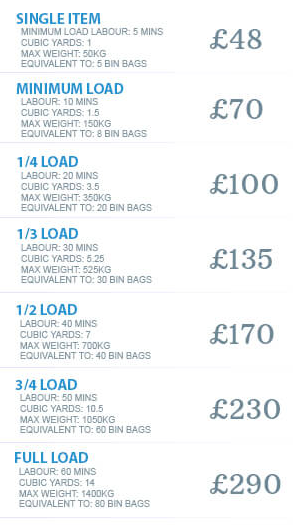
 Tipper Van - Rubbish Removal and Junk Collection Prices in Holland Park, W8
 Luton Van - Rubbish Removal and Junk Collection Prices in Holland Park, W8