Flat rubbish clearance guide Holland Park Road W11
Posted on 21/06/2026
If you live in a flat on Holland Park Road in W11, rubbish has a habit of becoming a bigger job than it should be. One broken wardrobe, a couple of bags of renovation debris, or a hallway full of old furniture can suddenly turn into a mini project. This Flat rubbish clearance guide Holland Park Road W11 is designed to make that job feel manageable, whether you are clearing a studio, a family apartment, or a rental flat between tenancies.
The tricky part is rarely the rubbish itself. It is the stairs, the narrow corridors, the parking, the neighbours, and the simple fact that London flats do not always make bulk disposal easy. So below, you will find a practical guide to how flat clearance works, what to expect, what to avoid, and how to choose the right approach for your place. No fluff. Just the useful bits, laid out clearly.
Key takeaway: flat rubbish clearance in W11 works best when you sort early, measure access properly, and choose a collection method that fits the building, not just the waste.
Why Flat rubbish clearance guide Holland Park Road W11 Matters
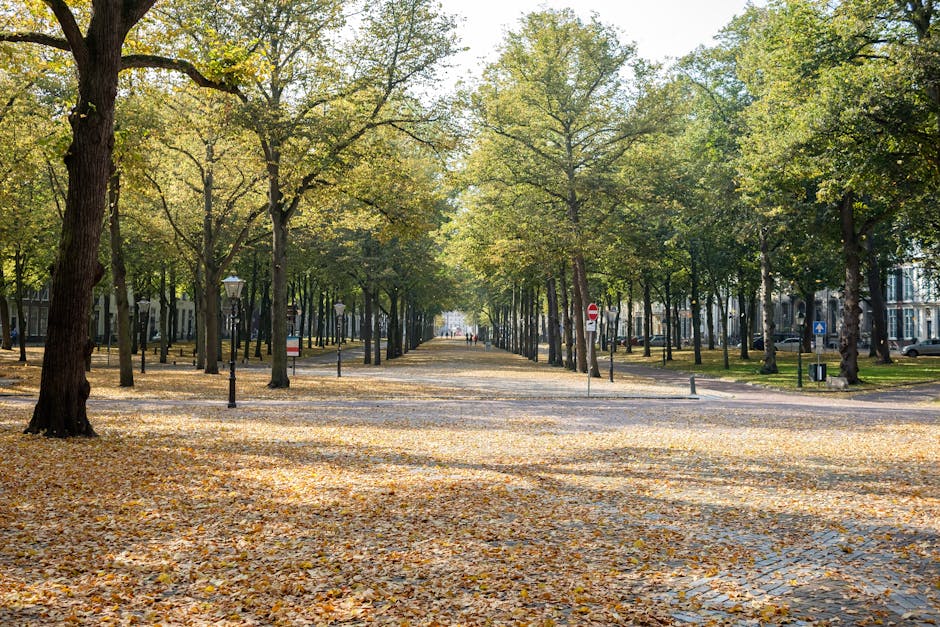
Flat clearance is not the same as clearing a house with a driveway. In a flat, even a small amount of waste can create disproportionate problems. You may have limited lift access, tight stairwells, timed entry, shared hallways, or residents who quite rightly do not want bulky items left in the common area for a whole day. That is especially true around Holland Park Road, where properties often have a mix of period conversions, mansion blocks, and managed buildings with specific rules.
This matters because delays cost time, create friction with neighbours, and can make the process more expensive if the team has to carry items a long way or wait for access. It also matters for safety. A heavy chest of drawers on a landing is one bad turn away from damage, and nobody wants scratched walls or a strained back. Let's be honest, that is not a fun afternoon.
For many residents, flat rubbish clearance is also tied to life events: moving out, decorating, downsizing, letting a property, handling an inheritance, or clearing after tenants leave. If you are in that position, a well-planned clearance saves more than effort. It creates breathing room. You notice the difference immediately when the flat stops feeling cluttered and starts feeling usable again.
If you are planning a broader clear-out, you may also find related guidance useful, such as house clearance in Holland Park, furniture disposal in Holland Park, and rubbish clearance services in Holland Park.
How Flat rubbish clearance guide Holland Park Road W11 Works
The process is usually straightforward, but good planning makes a big difference. In practical terms, flat rubbish clearance involves identifying the items to remove, checking access, booking a suitable collection slot, and having the waste loaded and taken away for sorting, reuse, or disposal.
In a typical W11 flat, the team will usually want to know three things first: what needs collecting, how much there is, and how easy it will be to remove. That sounds basic, but it is the bit people often underestimate. A single bulky sofa in a ground-floor flat is a very different job from four wardrobes on the third floor with no lift. Same street, completely different effort. Strange how that works.
Clearance teams may handle a mix of items:
- old furniture
- bagged household rubbish
- broken appliances
- loft or storage clutter
- DIY leftovers
- cardboard and packaging
- mixed junk from moves or refurbishments
For heavier or more awkward jobs, a specialist service can make life easier. If the waste came from a refit or knock-through, a dedicated builders waste clearance in Holland Park may be a better fit. If it is mostly soft furnishings or unwanted household pieces, look at furniture disposal or broader junk removal in Holland Park.
Access is the real make-or-break issue. Flat clearance crews often need:
- entry instructions or concierge details
- parking or loading-space guidance
- lift availability, if there is one
- an idea of stair width and landing space
- permission to use communal areas
That information lets the team bring the right number of people and the right equipment. Nobody wants a slow, awkward carry when a trolley or second pair of hands would have solved it. To be fair, most clearance headaches come from missing one of these little details.
Key Benefits and Practical Advantages
There are a few reasons local residents choose organised flat clearance rather than trying to piece the job together themselves. Some are obvious. Others only become obvious when you have already spent an hour staring at a sofa that will not fit through a doorway.
1. Less disruption to the building
When the clearance is planned properly, items leave faster and common areas stay clearer. That is better for neighbours, better for building managers, and better for your own stress levels.
2. Better handling of bulky items
Large furniture, mattresses, shelving and appliances are awkward in flats. A proper team knows how to move them without unnecessary damage. This sounds simple. It often is not.
3. Time saved during busy moves
Flat moves in W11 can be hectic. If you are also dealing with key handovers, cleaners, end-of-tenancy checks or tradespeople, an efficient rubbish collection can remove a major bottleneck.
4. Cleaner resale or lettings presentation
If you are selling or re-letting, a clutter-free flat photographs better and feels more open. If that is on your mind, take a look at selling homes in the Holland Park area and buying property in Holland Park for more local context.
5. More responsible disposal
A professional clearance approach should sort items for recycling or recovery where possible. That matters if you care about reducing waste, and most people do, once they see how much is going out.
For a broader view of the different support options available locally, you can also review the services overview and the page on recycling and sustainability.
Who This Is For and When It Makes Sense
This guide is useful for anyone dealing with flat-based waste in or around Holland Park Road, but it is especially relevant if you are in one of these situations:
- Home movers who need to clear unwanted furniture, packaging, or old belongings before handover.
- Landlords dealing with end-of-tenancy clutter or abandoned items.
- Homeowners who are refurbishing a flat and need a fast clear-up between trades.
- Estate agents and sellers who want the property presentable for viewings.
- Busy professionals who simply do not have time to manage multiple trips to the tip. And honestly, who does?
- People clearing inherited property where the job is as much emotional as practical.
It also makes sense if the building has access quirks. Some Holland Park Road properties have no lift, restricted loading, or narrow internal stairs. If that sounds familiar, a methodical clearance plan is more useful than a DIY approach that looks cheap on paper but becomes awkward by lunchtime.
If you are unsure whether a flat clearance is enough or whether a full property emptying is more appropriate, the local guides on rubbish removal options near Holland Park Station and the rubbish collection guide for W11 Ilchester Place can help you compare approaches without overcomplicating things.
Step-by-Step Guidance
Here is a practical way to handle a flat rubbish clearance without letting it turn into a weekend saga.
- Sort the waste by type. Put furniture, bagged waste, recyclables, and anything questionable into separate piles. You do not need perfection, just a sensible first pass.
- Check what can stay and what must go. A quick walk-through helps you avoid clearing things you still need. It happens more than people admit.
- Measure large items and note access. Doorways, stair turns, lift size, and parking all matter. A sofa that clears one flat may be impossible in another.
- Decide whether the job is simple or mixed. If the waste is mostly household clutter, one approach may be enough. If you have renovation debris, mixed junk, and furniture together, you may need a fuller service.
- Request a quote with clear details. Describe the items, access, and timing. Clear information usually leads to a more accurate price.
- Prepare the items before collection. Bag smaller rubbish, empty drawers if requested, and make sure the path is clear. That small bit of prep saves a surprising amount of time.
- Confirm any building rules. Some flats need advance notice, concierge coordination, or particular loading windows. Better to check once than apologise later.
- Have the team remove and sort the waste. On the day, keep the route clear and answer any access questions quickly. The calmer the handover, the faster the job usually goes.
A useful rule of thumb: if the clear-out feels like it may take more than one car-load, or if the items are awkward to carry, stop and plan it properly. It is amazing how often that one decision prevents a mildly chaotic morning.
Expert Tips for Better Results
After enough flat clearances, a few habits become obvious. They are simple, but they really do save time and reduce hassle.
- Photograph bulky items before booking. This helps with quoting and avoids surprises on the day.
- Tell the team about stairs, lifts, and parking early. Access details are not a side note. They shape the whole job.
- Keep a separate pile for donations or reuse. If something is still usable, say so. That can change the disposal route.
- Clear a path to the front door. Even a narrow flat becomes much easier when hallways are not blocked by shoes, bags, or random boxes from 2019.
- Time the clearance sensibly. Mid-morning is often easier than the school-run window or late afternoon traffic. Small timing choices matter in W11.
- Use the job to reset the flat properly. Once the rubbish is out, wipe surfaces, check corners, and remove forgotten clutter. One clean sweep feels better than five partial ones.
For reassurance around service quality, safety and handling, it is worth reading insurance and safety information before you book. It is not glamorous reading, granted, but it is useful.
Common Mistakes to Avoid
Flat clearances are usually straightforward until someone misses a practical detail. Then things become awkward quickly. Here are the missteps that cause the most trouble.
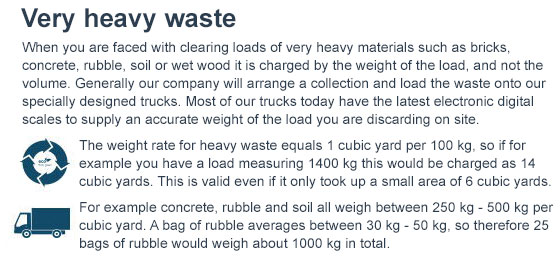
- Underestimating volume. A pile that looks small in a room can be much bigger once loaded.
- Forgetting access restrictions. If a building requires advance notice, the clearance needs to fit that rule.
- Mixing in restricted items without mentioning them. Some items need special handling, so do not bury them in a general description.
- Leaving everything until the last minute. This creates rush decisions and higher stress. Not ideal.
- Blocking communal areas. In flats, this can create complaints or delays. It also looks untidy, which is never fun when neighbours pass by.
- Choosing the wrong disposal method. A simple rubbish collection may be enough for bagged waste, but not for a full furniture-heavy clear-out.
There is another subtle mistake: assuming the cheapest-looking option is the best one. Sometimes it is. Often it is not. A slightly better planned collection can save you from extra labour charges, access problems, or a second visit.
Tools, Resources and Recommendations
You do not need specialist equipment for every flat clearance, but a few practical items make the process easier.
- Strong bin bags for loose rubbish and packaging
- Marker labels to separate keep, donate, and dispose piles
- Measuring tape for doorways, stair turns, and bulky items
- Gloves and basic protection if you are moving items yourself
- Phone camera for documenting what needs removing
- Clipboard or notes app for access instructions and item lists
On the service side, these pages are worth reviewing if you are deciding how to approach the job:
- rubbish collection in Holland Park
- waste removal options
- skip hire in Holland Park
- garage clearance in Holland Park
- loft clearance in Holland Park
If you are curious about the company behind the service, the about us page is a sensible place to start. And if you want to understand how booking, payment, or terms are handled, the site also provides payment and security, terms and conditions, privacy policy, and cookie policy pages.
Law, Compliance, Standards, or Best Practice
For flat rubbish clearance, the safest approach is to follow recognised UK waste-handling best practice and to use a provider that can manage waste responsibly. You do not need to become an expert in waste legislation to get this right, but a few points are worth keeping in mind.
Duty of care matters. In plain English, waste should go to a legitimate destination and be handled properly. If a clearance deal looks too vague about where the rubbish goes, that is a warning sign. People sometimes skip over this because they just want the flat cleared quickly, but it is worth asking the question.
Building rules matter too. Many flats have leasehold or managed-building conditions that affect waste placement, loading times, and use of common parts. If your building has a concierge or a managing agent, a quick check can prevent unnecessary friction.
Safety matters. Heavy lifting in stairwells, glass, broken wood, and old appliances all carry risk. Good manual handling and sensible teamwork are not optional extras. They are the difference between a smooth clearance and a sore back. Truth be told, most people only think about this after the first awkward lift.
Recycling and reuse are the preferred norm. Not everything should be treated as general rubbish. Items in decent condition, and materials that can be separated, should be assessed for reuse or recycling where possible. For more on that approach, see the company's recycling and sustainability guidance.
There is also a practical side to compliance. If you are a landlord, letting agent, or property manager, you need records, consistency, and a service that can be relied on without a long back-and-forth every time. That is where organised clearance really helps.
Options, Methods, or Comparison Table
There is no single best method for every flat. The right choice depends on volume, access, timing, and what kind of items you have. Here is a simple comparison to make the decision easier.
| Method | Best for | Strengths | Limitations |
|---|---|---|---|
| Flat clearance service | Mixed items, bulky furniture, full or partial flat clear-outs | Convenient, fast, and suited to stairs or tight access | Needs clear booking details and accurate access info |
| Rubbish collection | Smaller loads and bagged waste | Simple and often efficient for lighter jobs | Not always ideal for large furniture or awkward items |
| Skip hire | Longer projects or ongoing waste generation | Useful when the job is spread over several days | Access, placement, and permit considerations can complicate things |
| DIY disposal | Very small volumes, light items, and flexible schedules | Can seem cheaper if you already have transport | Time-consuming, physically demanding, and less convenient for flats |
For many Holland Park Road flats, the service-based option is the most practical because it reduces the carrying, parking, and multiple-trip problem. If your job is a one-off clear-out before a move, that convenience tends to be worth a lot.
Case Study or Real-World Example
Here is a realistic example from the kind of situation people face all the time. A resident in a W11 flat needed to clear an old sofa, two wardrobes, a broken desk, and several bags of household clutter before a tenancy changeover. Nothing dramatic. Just one of those jobs that keeps growing every time you look at it.
The first issue was access. The flat was on an upper floor, the lift was narrow, and the front entrance had a time window for loading. Instead of trying to force a same-day scramble, the resident listed the items, shared the access details, and separated the small rubbish from the furniture. That meant the clearance team could plan the route and bring enough help from the start.
The result was simple: the job was done in one visit, the communal areas were kept clear, and the flat was ready for cleaning straight afterwards. Nothing flashy. Just tidy, efficient, and a lot less stressful than doing it alone.
This is the quiet value of good flat clearance. It does not need to be dramatic to be helpful. Sometimes the best outcome is just a clean landing, no complaints, and the feeling that the flat is finally back under control.
Practical Checklist
Use this before booking any flat rubbish clearance on Holland Park Road W11.
- List every item that needs removing
- Separate furniture, bagged waste, and recycling
- Measure bulky items and note floor level
- Check lift size, stair access, and any awkward turns
- Confirm parking or loading arrangements
- Ask about timing, building access, and collection window
- Remove items you want to keep before the team arrives
- Clear hallways and make a safe route to the exit
- Ask how reusable items or mixed waste will be handled
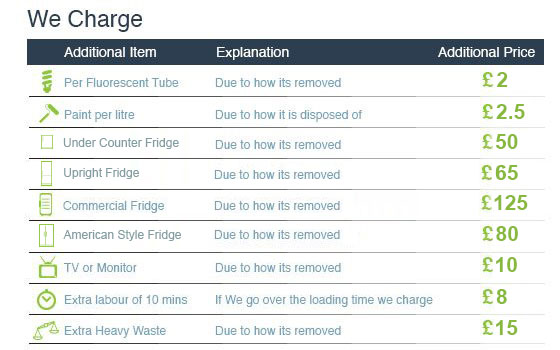
- Review pricing details so you know what is included
If you are also preparing the flat for sale, rent, or a wider move, it may help to revisit the local property and area guides, including local tips on whether Holland Park is ideal for you and the Holland Park area guide. Not directly about rubbish, sure, but very useful for the bigger picture.
Conclusion
Flat rubbish clearance on Holland Park Road W11 is easiest when you treat it as a planning task, not just a lifting task. The best results come from clear item lists, sensible access checks, honest expectations, and a service that understands flats, not just waste. That is the whole game, really.
Whether you are clearing one sofa or a full flat before a handover, the goal is the same: remove the clutter without creating extra problems. If you get the prep right, the rest tends to move smoothly. And if you have ever tried to wrestle a wardrobe through a narrow hallway, you will know why that matters.
Get a free quote today and see how much you can save.
If you are ready to take the next step, use the contact page to discuss your flat clearance needs and get practical guidance tailored to your building, access, and timing. A quick conversation can save a lot of back-and-forth later.


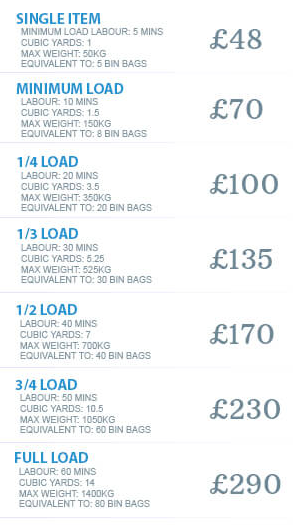
 Tipper Van - Rubbish Removal and Junk Collection Prices in Holland Park, W8
 Luton Van - Rubbish Removal and Junk Collection Prices in Holland Park, W8