Rubbish collection guide W11 Ilchester Place
Posted on 09/05/2026
If you live, work, or are managing a property near Ilchester Place in W11, rubbish can pile up faster than you expect. A move, a refurb, a garden tidy, even a busy week of deliveries and packaging - suddenly the hallway feels smaller and the bins are already full. This Rubbish collection guide W11 Ilchester Place is here to make the process clearer, calmer, and a lot less awkward.
We'll walk through how rubbish collection typically works in this part of Holland Park, what to do with bulky items, how to avoid common mistakes, and when it makes sense to use a professional service instead of trying to squeeze everything into the back of a car. You'll also find practical tips for sorting waste, staying compliant, and choosing the most sensible option for your situation. Straightforward stuff, really - but the kind of thing that saves time, stress, and a few surprises.

Why Rubbish collection guide W11 Ilchester Place Matters
Ilchester Place sits in a part of London where homes, flats, mews-style properties, and professional spaces often have limited storage and tight access. That matters because waste is not just waste; it's also about how you move it, where it sits while you wait, and whether it becomes a nuisance to neighbours or a problem for the building. In a place like W11, the practical side of rubbish collection matters more than people often realise.
Truth be told, most waste issues start small. A broken wardrobe. A stack of cardboard. A bit of loft clutter. Then the pile grows. If you leave it too long, the job becomes less about "take out the rubbish" and more about planning access, timing, safety, and disposal routes. That's where a proper local guide helps. Not just for convenience, but to keep things neat, lawful, and manageable.
For homeowners, landlords, agents, and anyone moving through the area, good waste management supports the wider condition of a property. If you're preparing a sale or letting, for instance, a clean and uncluttered space helps the whole place feel more usable. If you want more local context about the area itself, have a look at our Holland Park area tips and the guide on selling homes in Holland Park.
Expert summary: the best rubbish collection plan in W11 is usually the one that matches the access, the waste type, and the timing - not just the cheapest option on paper.
How Rubbish collection guide W11 Ilchester Place Works
In practical terms, rubbish collection in Ilchester Place and the wider W11 area usually falls into one of a few routes: council collection, private waste collection, skip hire, or a specialist clearance service. Each one has a different level of flexibility, effort, and suitability. The trick is to match the method to the job rather than forcing the job to fit the method.
For standard household waste, regular bin services may be enough. But if you have bulky items, mixed materials, or a one-off clearance, a more tailored solution is often better. A flat clear-out, for example, can involve furniture, old appliances, bags of general rubbish, and maybe a bit of recycling mixed in. That kind of job tends to move faster with a team that can load, sort, and remove everything in one go.
If you're comparing approaches, our services overview is a sensible starting point, and the page on rubbish collection in Holland Park gives a helpful sense of the local service style. For some jobs, you may also want to look at rubbish clearance in Holland Park or broader waste removal options.
Here's the simple flow most people follow:
- Identify what you need removed.
- Separate recyclable items, if possible.
- Check access, parking, and stairways.
- Choose the collection method that fits the volume and type of waste.
- Book a time that works for the building and neighbours.
- Make sure the waste is ready to go when the team arrives.
It sounds basic, and it is. But basic done properly saves a lot of back-and-forth later.
Key Benefits and Practical Advantages
A good rubbish collection arrangement does more than clear floor space. It protects time, reduces hassle, and helps you avoid the classic last-minute scramble. Anyone who has tried to drag a heavy item down a narrow staircase on a Friday evening knows exactly what that feels like. Not ideal.
One of the biggest benefits is speed. A planned collection can remove multiple waste types in a single visit, which is especially useful in residential streets where access windows can be limited. Another benefit is reduced physical strain. Lifting broken furniture, old boxes, and heavy bags by yourself is where accidents happen - simple as that.
There's also a cleanliness advantage. Waste left in communal entrances, gardens, or garages can attract pests, create smells, and make the property feel neglected. That's particularly relevant if you're getting ready for visitors, tenants, or a sale. If furniture is part of the problem, you may find furniture disposal in Holland Park more practical than trying to break everything down yourself.
Some of the main advantages include:
- Less time spent sorting and carrying waste
- Cleaner shared spaces and entrances
- Better handling of bulky or awkward items
- Lower risk of injury during lifting
- More suitable for mixed loads and one-off clearances
- Better alignment with responsible disposal and recycling
Who This Is For and When It Makes Sense
This guide is useful for a few different people, and each group has slightly different priorities. A homeowner clearing out a loft is not dealing with the same problem as a landlord between tenancies. A small office on the edge of W11 will have different needs again. That's the point: rubbish collection should fit the situation, not the other way around.
You may want a dedicated collection if you are:
- Moving in or out of a property
- Clearing out a loft, garage, basement, or spare room
- Replacing furniture or appliances
- Managing builders' debris after renovation work
- Preparing a property for sale or letting
- Dealing with garden waste after pruning or landscaping
- Clearing an office, studio, or working space
For renovation work, the route can be different again. If the waste is mainly rubble, timber offcuts, packaging, and similar material, a specialist service such as builders waste clearance in Holland Park may be more appropriate than general rubbish removal. And if you're looking at large one-off clear-outs, house clearance in Holland Park is often the more efficient route.
Garden work is a different beast again. Branches, soil, hedge cuttings, and green waste quickly take up more room than people expect. If that's your situation, consider garden waste removal in Holland Park. It keeps the job tidy and avoids stuffing wet clippings into the wrong bin. Nobody enjoys that smell the next day, let's be honest.
Step-by-Step Guidance
Here's a practical way to handle rubbish collection near Ilchester Place without overcomplicating it. Keep it simple, and the whole thing gets easier.
1. Identify your waste type
Start with the basics. Is it general household rubbish, furniture, green waste, electronics, or construction debris? Mixed waste can still be collected, but knowing what you have helps you choose the best method and avoid delays.
2. Estimate the volume
You do not need a forensic-level calculation here. Just work out whether you have a few bags, a van-load, or more. A couple of heavy items may be easier to collect than a room full of loose clutter. Volume matters because it affects labour, vehicle size, and timing.
3. Check access
In W11, access can be the hidden issue. Think narrow hallways, steps, shared entrances, gated courtyards, or limited roadside stopping. If a team can't get close to the waste, the job takes longer. Worth checking before the collection day. A five-minute walk-around can save a lot of fuss.
4. Separate what you can recycle
You don't need to sort every single item perfectly, but separating clean cardboard, metal, wood, and reusable items often helps. It can also make the removal process more efficient. If you want to keep sustainability front and centre, the page on recycling and sustainability is worth reading.
5. Book the right service
For small loads, general rubbish collection may be enough. For larger or more complicated jobs, choose a service that handles loading, transport, and disposal in one go. If you're not sure which option suits your load, it can help to compare the available junk removal, skip hire, and clearance options before deciding.
6. Prepare the waste for pickup
Place items where they can be collected safely and quickly. Bag loose rubbish, keep sharp edges covered if needed, and don't block exits. If you have anything unusual - paint tins, a fridge, broken glass, or awkward items - mention it in advance. That one detail can prevent a messy afternoon.
7. Confirm the end point
If you want peace of mind, make sure you understand where the waste is going and how recyclables are handled. Reputable operators should be able to explain their process in plain English. No drama, just clarity.
Expert Tips for Better Results
There are a few small habits that make a surprising difference. They are not flashy, but they work.
- Group by type before collection day. Even a rough separation of furniture, cardboard, and general waste helps.
- Keep a clear route. If a hallway is full of shoes, bikes, and shopping bags, the collection will be slower than it should be.
- Photograph awkward items. A quick photo can help with planning if something is heavy, oversized, or damaged.
- Think about timing. Mid-morning is often easier than late afternoon when buildings feel busier.
- Ask about reuse. Some items can be diverted from waste if they are still in decent condition.
In our experience, the jobs that go smoothly are usually the ones where the customer has done just enough prep - not too much, not too little. A bit of order goes a long way. And no, you do not need to label everything like a warehouse. Just get the obvious stuff right.
If you need a broader sense of service standards and how a professional provider should operate, the about us page and insurance and safety information are useful reference points.

Common Mistakes to Avoid
Most rubbish collection problems are avoidable. The annoying part is that they're usually caused by small oversights rather than major issues.
- Leaving everything until the last minute. This is the classic one. Waste grows, access gets tighter, and the job becomes more expensive or more awkward.
- Mixing prohibited items with general waste. Some items need special handling. Don't assume everything can go in one load.
- Underestimating volume. A pile that looks "small enough" in the corner can turn into a van-full once sorted.
- Ignoring building rules. Some blocks or managed properties have loading and access preferences. Check first.
- Choosing the wrong disposal route. Skip hire may suit long projects; a collection service may suit a quick clear-out. They are not interchangeable.
- Not asking about recycling. If you care about waste handling, ask how items are processed.
A lot of these mistakes happen because people are rushing. Fair enough - life gets busy. But a bit of planning really does pay off here.
Tools, Resources and Recommendations
You don't need specialist equipment for every job, but a few simple tools help a lot:
- Heavy-duty bin bags for loose rubbish
- Work gloves for safer handling
- Tape and cardboard for covering sharp edges
- A tape measure for checking bulky items and access points
- Dust sheets or old blankets to protect floors and walls
- A phone camera for quick item photos before booking
On the planning side, it helps to know your likely route before you move anything. For a full service breakdown, the services overview is a solid place to compare options. If you are price-sensitive, the pricing and quotes page can help you understand how estimates are usually approached. And for anything sensitive around payments or data, there's also payment and security information.
A small but useful tip: if you're unsure whether the job is really a collection, a clearance, or a partial tidy-up, describe the waste by room and item type rather than using broad labels. "Two wardrobes, six bags, and some broken shelving" is much more helpful than "a bit of rubbish."
Law, Compliance, Standards, or Best Practice
Waste handling in the UK should be treated carefully. You do not need to become a compliance expert to manage household rubbish, but you should make sure waste is passed to a responsible carrier and handled appropriately. That's especially true for mixed waste, electrical items, bulky furniture, and anything potentially hazardous.
Best practice usually means:
- Using a provider that can explain its disposal process clearly
- Separating recyclable materials where practical
- Keeping clear records for commercial or landlord arrangements where needed
- Not leaving waste in communal areas for extended periods
- Taking extra care with items that could cause injury or contamination
If you are managing a property, the standard is higher than "just getting rid of it." You need the space left clean, safe, and ready for use. Landlords and agents especially should think about turnaround, tenant safety, and whether waste removal supports a smooth handover. For more on that context, the buying property in Holland Park guide also gives useful background on how local property expectations can shape the work.
Also worth saying: safety matters even when the job seems simple. Large glass, broken chairs, mattresses, and old appliances can all be awkward. A careful handler will think about lifting methods, protective gear, and building access before touching the first item. That's not overcautious; that's sensible.
Options, Methods, or Comparison Table
If you are deciding how to handle rubbish near Ilchester Place, the best method depends on the type of waste, the amount, and how quickly you want it gone. Here's a simple comparison.
| Method | Best for | Strengths | Limitations |
|---|---|---|---|
| Regular council collection | Everyday household waste | Simple, familiar, suited to routine disposal | Limited for bulky items and one-off large clear-outs |
| Private rubbish collection | Mixed loads, quick removals, awkward access | Flexible, fast, often includes loading | Needs careful booking and clear item description |
| Skip hire | Longer projects, ongoing work, renovation waste | Useful if waste builds over several days | Needs space and can be less convenient in tighter streets |
| House or flat clearance | Whole-property clear-outs | Best for large volumes and multiple item types | May be more than you need for a small job |
If your main concern is speed and convenience, a collection service is often the neatest option. If your project is spread across several days and you have space, skip hire may suit better. If you're not sure which path is right, look at the local rubbish removal options near Holland Park Station for a broader comparison of nearby approaches.
Case Study or Real-World Example
Imagine a flat near Ilchester Place that has just finished a small refurbishment. There's a tired sofa, a dismantled wardrobe, several bags of packaging, some timber offcuts, and a bit of dust everywhere - the kind that settles into corners and makes the place look half-finished. The owner needs the flat ready for viewing in two days. Not next week. Two days.
In a case like that, the most practical approach is usually a single visit collection with loading included. Why? Because the waste is mixed, the timeline is tight, and the access may be fiddly. The owner could try to break everything down and do multiple trips, but that would eat up an entire day and probably create a mess on the landing. Not worth it.
A better plan would be:
- Separate clean cardboard from general waste.
- Measure the bulky furniture to confirm access.
- Identify any items that need special handling.
- Book a collection slot that works with the building.
- Keep the route to the waste clear on the day.
The result is simple: the flat is cleared, the corridors stay tidy, and the owner can move on to the next job. No drama. Just a clean finish, which is what most people want in the end.
Practical Checklist
Use this checklist before your rubbish collection in W11. It keeps things moving and reduces last-minute surprises.
- Have I identified the waste type accurately?
- Do I know roughly how much needs removing?
- Is the access route clear and safe?
- Have I separated anything reusable or recyclable?
- Are there sharp, heavy, or awkward items to mention in advance?
- Do I need specialist clearance rather than general rubbish collection?
- Have I checked building rules or parking constraints if relevant?
- Is the waste ready in one place for easy collection?
- Do I need proof of responsible disposal or service records?
- Have I compared options and chosen the most practical one?
If you can answer yes to most of those, you're in a good place. If not, that's fine too. Better to catch the issue before the van arrives.
Get a free quote today and see how much you can save.
Conclusion
Rubbish collection near Ilchester Place does not need to be a nuisance. With the right approach, it becomes a tidy, predictable job: identify the waste, choose the right collection method, prepare access, and make sure disposal is handled properly. That is really the heart of it.
Whether you're clearing a flat, sorting a garden, managing a property change, or just dealing with the usual London clutter, a little planning goes a long way. And if the job feels bigger than expected - which happens more often than people admit - there's no shame in getting a proper service involved. Sometimes the smart choice is simply the easiest one.
For a local, reliable next step, you can also explore our contact page to ask about your specific collection needs. A quick conversation can save a lot of guesswork, and that's usually time well spent.
Quiet, practical, done properly. That's the goal.


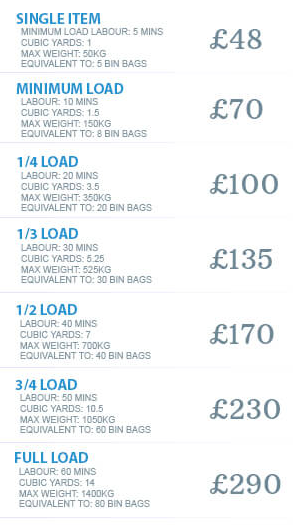
 Tipper Van - Rubbish Removal and Junk Collection Prices in Holland Park, W8
 Luton Van - Rubbish Removal and Junk Collection Prices in Holland Park, W8