Skip permits and rubbish disposal rules Holland Park council
Posted on 18/08/2026
Skip permits and rubbish disposal rules Holland Park council: what you need to know before you book
If you are planning a clear-out in Holland Park, the practical question usually comes down to this: can you place a skip, or is there a better way to deal with the waste? The answer depends on where the skip will sit, what you are throwing away, and how local collection rules affect your schedule. Understanding Skip permits and rubbish disposal rules Holland Park council can save you time, prevent fines, and stop a straightforward job turning into a messy one. It also helps if you are dealing with builders' waste, a flat move, garden waste, or a last-minute house clearance. Let's keep this simple, local, and genuinely useful.
Why Skip permits and rubbish disposal rules Holland Park council Matters
Holland Park is one of those London areas where access can be tight, parking can be limited, and a small planning mistake quickly becomes annoying. A skip left in the wrong place can block a road, upset neighbours, or attract attention from enforcement teams. That is the obvious part. The less obvious part is that rubbish disposal rules also shape what you can do at home, what must go separately, and how quickly your project can move.
For homeowners, landlords, tenants, builders, and businesses, the council side of waste management is not just paperwork. It affects whether you can start work on time, whether your contractor needs a permit, and whether you can use a skip at all or would be better off booking a direct collection service instead. If you are comparing options, it can help to look at a broader local service overview first, such as the range of rubbish removal services available in Holland Park.
There is also a practical reason this matters: waste left out incorrectly can sit there. And in a smart residential area like this, no one wants bags, broken furniture, and cardboard lingering on the pavement for days. It feels untidy, sure, but it also creates a simple compliance risk. In our experience, people usually only realise this after they have already booked the wrong thing.
How Skip permits and rubbish disposal rules Holland Park council Works
At a high level, the process is straightforward: if a skip is going on a public road or another council-controlled space, a permit is typically needed. If it stays entirely on private land, you may not need a permit, but you still need to check access, safety, and loading rules. The details depend on the exact site, the type of waste, and the disposal method you choose.
Here is the basic logic people often miss:
- Private driveway or private yard: often simpler, though still subject to safe placement and practical access.
- Roadway or pavement: usually triggers permit requirements and visibility rules.
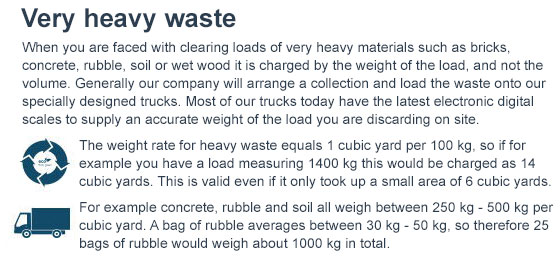
- Different waste types: mixed rubbish, soil, green waste, bulky items, and builders' rubble may not all be handled the same way.
- Collection timings: council rules and local access restrictions may affect when waste can be left out or picked up.
People sometimes assume skip hire is always the default. It is not. If you only have a few bulky items, a flat clearance, or a tricky access job, a man-and-van style collection may be the smoother choice. For example, someone in a mews property with no easy turning space may benefit more from a solution for difficult-access rubbish jobs than from trying to shoehorn a skip into a place it does not really fit.
And yes, the word "permit" can sound dry and bureaucratic. But it is mostly about control: safety on the road, clear access, and making sure waste is handled in a way that does not become everyone else's problem.
Key Benefits and Practical Advantages
Getting the permit and disposal side right does more than avoid trouble. It can actually make your project more efficient. A well-planned waste removal arrangement keeps the job moving, reduces clutter, and makes it easier for tradespeople or residents to work safely.
Practical advantages include:
- Less disruption: no last-minute scramble because the waste plan was vague.
- Cleaner site: safer for residents, workers, and visitors.
- Better scheduling: easier to coordinate around building work, moving day, or a garden refresh.
- Lower risk of extra charges: especially where access issues, overfilled containers, or wrong waste types cause problems.
- More suitable disposal: the right material can go to the right route, which is better for recycling and compliance.
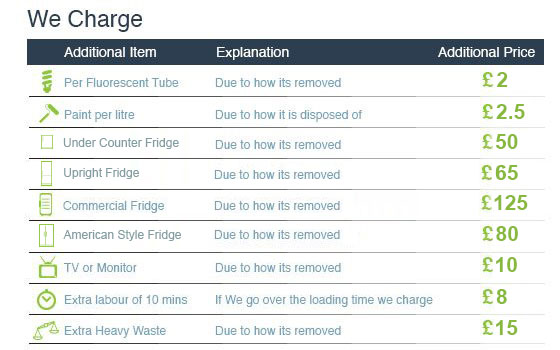
There is also a cost-control benefit that people underestimate. If you book a skip without thinking through the permit, location, or waste volume, you can end up paying for space you never needed. That is one of those frustrating, avoidable expenses. If you want to compare the money side before booking, take a look at pricing and quote options before you commit.
And if your main goal is to minimise environmental waste, combining the right collection method with good sorting habits can help. You can read more about local reuse and sorting thinking in the site's recycling and sustainability approach.
Who This Is For and When It Makes Sense
This topic matters to a fairly wide range of people in Holland Park, not just builders. The pattern is usually the same: you have more waste than the household bin system can reasonably handle, and you need a legal, practical way to move it on.
It makes sense if you are:
- clearing a house after a move or sale
- renovating a kitchen, bathroom, or full property
- removing garden cuttings, soil, or old outdoor furniture
- dealing with office furniture or archive waste
- tidying a garage, loft, basement, or storage unit
- handling bulky furniture that will not fit normal bins
- working on a short-notice clearance with limited time
If you are a landlord or vendor, you also have a reputation issue to think about. A tidy exterior matters. People notice. Buyers and tenants especially notice. That is why local property decisions often overlap with waste planning, as discussed in guidance for selling homes in the Holland Park area and advice for buyers weighing up the area.
It also makes sense if you simply do not want the hassle. Let's face it, some people have the time and patience for permit forms and collection windows. Many do not. That is not laziness; it is life.
Step-by-Step Guidance
Here is a practical way to handle it without overcomplicating the whole thing.
- Identify the waste type. Separate bulky household items, builders' waste, garden waste, and anything hazardous or specialist. Different items may need different handling.
- Work out where the container or waste will go. Private land is simpler. A public road, bay, or pavement is where permit questions start.
- Measure the job honestly. Most people guess too low. If you are clearing a flat, take a careful look at cupboards, loft space, and hidden corners. The surprising stuff always comes out in the last ten minutes.
- Check access. Think about width, vehicle loading, narrow mews streets, stairs, and whether the team can park close enough to work safely.
- Decide between skip hire and collection. A skip suits longer projects with ongoing waste. A collection service is often better for one-off removals or awkward access.
- Confirm the permit question early. Do not leave this until the day before. If a permit is needed, the timing can shape your start date.
- Plan disposal responsibly. Ask how items will be sorted, reused, or recycled where possible.
If you are dealing with a builders' job, it can help to review a dedicated service first, such as builders' waste clearance in Holland Park, because construction debris usually creates different planning needs from a simple house declutter.
A useful rule of thumb: if you are hesitating between two options, the one with the fewest unknowns is usually the safer choice. Simpler is often better. Not always, but often.
Expert Tips for Better Results
After enough local waste jobs, a few practical habits stand out.
- Book earlier than you think. Permits, access, and vehicle availability can all slow things down.
- Keep the load level. Overfilled skips are a nuisance, and they can complicate collection.
- Separate reusable items first. Furniture, fixtures, and appliances may have a second life. That is better than sending everything away in one heap.
- Photograph tight access points. If the entrance is narrow or the road is awkward, images help avoid misunderstandings.
- Match the service to the job. A loft clearance is not the same as an office move, and a garden project is not the same as a builder's load.
One small but useful habit: keep a "maybe keep" pile separate from the final waste pile. It sounds obvious, but it prevents accidental disposal of paperwork, chargers, or items you meant to pass on. People do this all the time. Usually on a rainy afternoon, with tea going cold on the side.
If safety, insurance, and handling standards matter to you, it is sensible to look at a provider's insurance and safety information before booking anything substantial.
Common Mistakes to Avoid
Most problems here are not dramatic. They are small planning errors that snowball. The good news is that they are avoidable.
- Assuming a permit is unnecessary. If the skip is not fully on private land, do not guess.
- Booking the wrong size. Too small means delays; too large means wasted spend.
- Ignoring access issues. Holland Park streets and mews locations can be awkward, especially for larger vehicles.
- Mixing prohibited or specialist waste with general rubbish. This can cause refusal or extra handling.
- Leaving rubbish out too early. Especially where local collection windows are strict.
- Not checking what the service includes. Some pricing looks neat until you add in extras you never expected.
There is a recurring mistake with booking: people describe a job in broad terms and then act surprised when the team arrives and finds stairs, restricted parking, or more waste than expected. For practical planning help, this guide to common booking mistakes in Holland Park is worth a look.
Another one? Thinking "it'll only be a quick job." Famous last words, honestly.
Tools, Resources and Recommendations
You do not need complicated tools to get this right, but a few simple resources make the process easier.
- A tape measure: useful for checking access, doorway widths, and space for waste containers.
- Phone photos: ideal for showing a provider the site conditions, stairs, or parking limits.
- A rough inventory list: helps separate furniture, rubble, green waste, and general junk.
- A basic calendar: so permit timing and collection windows do not clash with work or travel.
- Property documents or contractor notes: useful where building work or landlord approval affects access.
For many Holland Park customers, the best resource is not a tool at all but a conversation with someone who knows local access patterns. If the job is a clear-out rather than a container hire, a direct rubbish collection in Holland Park can be simpler than managing a skip on a street with limited space.
If you are weighing up options for a specific type of waste, these pages can help narrow things down: house clearance, garden waste removal, office clearance, and furniture disposal.
Law, Compliance, Standards, or Best Practice
Waste handling in the UK is not something to wing. Even when the job feels small, best practice still matters. If a skip sits in a public place, local permission is usually part of the picture. If waste is being collected by a contractor, it should be managed by a competent, appropriately registered business that follows the usual rules for safe loading, transfer, and disposal.
From a practical standpoint, there are a few common standards worth keeping in mind:
- Safe placement: waste must not create unnecessary danger to pedestrians or traffic.
- Responsible sorting: recyclable or reusable material should be separated where possible.
- Clear paperwork: if you are using a contractor, make sure the service terms are understood.
- Correct waste streams: builders' debris, electrical items, bulky furniture, and green waste may need different handling.
The safest approach is to treat compliance as part of the job, not an afterthought. That is especially true if you are organising work in a busy street, a managed building, or a property with shared access. If you want a clear explanation of how local collection rules are generally approached, the article on council rubbish collection rules in Holland Park is a helpful companion read.
And if you are using a provider, read the terms and conditions carefully. A boring five minutes now can save a very unfun conversation later.
Options, Methods, or Comparison Table
Choosing the right route depends on space, timing, volume, and how hands-on you want to be. Here is a simple comparison to make the decision easier.
| Option | Best for | Pros | Watch-outs |
|---|---|---|---|
| Skip hire | Longer projects, ongoing waste, larger renovation jobs | Convenient on-site storage, easy if you are generating waste over several days | Permit may be needed on public land; access and placement matter |
| Direct rubbish collection | One-off clearances, bulky items, awkward access | Often faster to arrange, less site disruption | May require sorting beforehand; collection windows can vary |
| Specialist clearance | Lofts, garages, offices, garden spaces, full house clear-outs | Matched to the job, usually more efficient than a one-size-fits-all approach | Needs accurate job description to avoid surprises |
For many local customers, the real comparison is not "skip or no skip" but "which method causes the least disruption here?" In a compact mews property, collection can beat skip hire. On a larger refurb with ongoing rubble, a skip may be the more sensible route. There is no single answer that fits every road in Holland Park.
Case Study or Real-World Example
A typical Holland Park scenario goes like this. A family is clearing a townhouse before a sale. They have old furniture, boxes from the loft, some garden waste, and a few bits of broken household junk. At first, they assume a skip is the obvious answer. Then they check the street layout and realise parking is tight, the pavement is narrow, and the job will be finished in a day or two rather than a week.
After that, the decision changes. Instead of arranging a skip and dealing with the permit question, they choose a direct collection service that removes everything in one visit. The result is cleaner, faster, and less awkward for neighbours. It also means the front of the property stays neat during viewings, which, in this part of London, is not a minor point.
Another common example is a small flat renovation near a busy local road. Builders generate plaster, timber, packaging, and old fittings. In that case, the best plan may be a short-term skip with proper placement if there is safe private space, or a dedicated builders' clearance if there is not. If your own project sounds similar, a look at rubbish removal options near Holland Park Station may help you think through the access side more clearly.
Nothing dramatic, just sensible planning. That is usually the difference between a smooth job and a week of annoying little setbacks.
Practical Checklist
Use this before you book anything.
- Have I confirmed whether the skip or waste will be on private land or public land?
- Do I know the approximate volume and type of waste?
- Have I checked access, stairs, parking, and turning space?
- Do I need a skip permit, or would direct collection be easier?
- Have I separated reusable items, recyclables, and general waste?
- Do I understand any timing limits or collection windows?
- Have I reviewed safety and insurance information?
- Have I looked at pricing so the final cost does not surprise me?
- Have I read the booking terms carefully?
- Do I have photos or notes ready in case the access is unusual?
Expert summary: in Holland Park, the best waste solution is usually the one that fits the street, the property, and the project rather than the one that looks easiest on paper. If access is tight, collection may beat skip hire. If the job runs over several days and there is secure space, a skip can still make sense. The right answer is practical, not glamorous.
If you want to speak to someone about your job, get in touch here.
Get a free quote today and see how much you can save.
Conclusion
Skip permits and rubbish disposal rules in Holland Park are not there to make life difficult. They exist to keep streets safe, keep waste moving properly, and reduce avoidable disruption in a busy part of London. Once you know whether your waste is going on private land, public land, or being collected directly, the decision becomes much clearer.
The smartest approach is usually the simplest one that still follows the rules. Check the access, check the timing, check the waste type, and do not leave permits or collection details until the last minute. That little bit of care tends to pay for itself.
And if you are still unsure, that is perfectly normal. A short conversation now can save a long headache later. One calm decision, then on with the day.



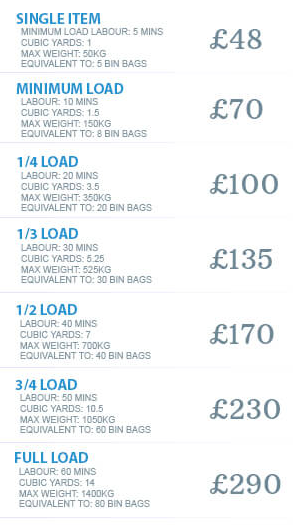
 Tipper Van - Rubbish Removal and Junk Collection Prices in Holland Park, W8
 Luton Van - Rubbish Removal and Junk Collection Prices in Holland Park, W8