Insider tips avoid hidden rubbish removal fees Holland Park
Posted on 05/06/2026

If you have ever booked rubbish removal and then watched the final bill creep up with "extras", you already know why this matters. The good news is that Insider tips avoid hidden rubbish removal fees Holland Park is not about chasing the cheapest quote at all costs. It is about understanding how quotes are built, which charges are fair, and where the hidden add-ons usually appear. In a place like Holland Park, where access, parking, and property layouts can vary a lot, a little preparation can save you real money and a lot of annoyance. Let's face it: nobody enjoys a surprise charge on a busy day.
In this guide, we will break down how rubbish removal pricing really works, what to ask before you book, which mistakes trigger extra fees, and how to compare services without getting lost in the fine print. You will also find a checklist, a comparison table, and practical examples based on common local situations, from loft clearances to bulky furniture jobs.
Why Insider tips avoid hidden rubbish removal fees Holland Park Matters
Hidden fees usually appear when the job turns out to be a little more complicated than the first conversation suggested. That might be because the load is heavier than expected, access is awkward, parking takes longer than planned, or the team arrives and finds more waste than was described. In Holland Park, those little complications are not unusual. Basement flats, tight mews access, residents' parking zones, shared entrances, and top-floor clearances can all nudge the price up if nobody has discussed them properly.
The main reason this topic matters is simple: most people do not mind paying a fair price, but they do mind paying for things they were never told about. A transparent rubbish removal service should explain how it prices labour, volume, type of waste, and access conditions. If that conversation feels vague, that is your cue to slow down. Not panic. Just slow down.
There is also a practical side. A poorly planned collection can take longer than needed, block access for neighbours, or mean a second visit. If you are clearing a home, office, garage, or loft, that can disrupt your day and add avoidable costs. If you want a quick starting point on the services themselves, the services overview is a helpful place to understand the kinds of jobs that are typically handled.
How Insider tips avoid hidden rubbish removal fees Holland Park Works
The simplest way to avoid hidden fees is to treat rubbish removal like any other service where the final cost depends on what is actually on site. A quote is only as good as the information you give. That sounds obvious, but in practice people often underestimate volume, forget about difficult access, or leave out items that need special handling.
Most pricing conversations tend to revolve around a few core factors:
- Volume - how much space the waste takes up in the vehicle.
- Weight - heavier materials can change the cost, especially if there is a lot of rubble, soil, or dense construction waste.
- Labour - how many people are needed and how long the loading will take.
- Access - stairs, narrow hallways, long carries, no lift, or limited parking can all affect the job.
- Waste type - mixed household rubbish, furniture, garden waste, and builders' waste are not always treated the same way.
- Disposal route - items that can be reused or recycled may be handled differently from general waste.
Fees usually become hidden when one of those variables is left unspoken. For example, you might ask for furniture disposal and forget to mention a heavy corner sofa in a third-floor flat with no lift. Or you may describe a "small amount of rubbish" when, in reality, it includes a dismantled wardrobe, bags of clothes, and a broken desk. It is not dishonesty every time. Sometimes it is just a rushed estimate. But the invoice does not care about good intentions.
If your clearance is connected to a property move, it can help to read around the area too. For instance, if you are preparing a home for sale, the guide to selling homes in the Holland Park area gives useful context on how clearance timing can support a smoother handover. Likewise, if you are still settling into a purchase, the buying property in Holland Park guide can help you plan ahead for post-move waste and bulky items.
Key Benefits and Practical Advantages
Getting rubbish removal pricing right is not just about saving a few pounds. It improves the entire job from start to finish. Here are the main benefits, in plain English.
- Better budgeting - you know what the job will cost before the team arrives.
- Less stress - no awkward phone calls about "unexpected" charges.
- Faster collections - clear information helps the crew arrive prepared.
- Cleaner outcomes - the right service can separate recyclables and reusable items more effectively.
- Fewer delays - access and timing issues are handled before they become problems.
There is another advantage people sometimes miss: a careful quote process often improves the quality of the service itself. When a provider asks sensible questions, it usually means they know what they are doing. The opposite is true as well. If nobody asks how much there is, whether it is bagged, or whether parking is straightforward, that should ring a bell.
For businesses, these benefits matter even more. Office clearances can involve IT equipment, file storage, desks, and mixed materials that need to be handled with more care. If that sounds familiar, take a look at the office clearance Holland Park service page for a better sense of what a structured collection can cover.
Who This Is For and When It Makes Sense
These tips are useful for almost anyone arranging a collection, but they are especially valuable if your job includes more than a few bags of rubbish. The bigger the job, the more likely hidden charges can appear if the details are vague.
This is particularly relevant if you are:
- clearing a flat, house, loft, or garage
- disposing of bulky furniture or white goods
- dealing with post-renovation or builders' waste
- preparing a property for sale or letting
- updating an office or studio
- sorting garden waste after a big tidy-up
It also makes sense if you are comparing rubbish collection with skip hire. A skip can be great for some projects, but it is not always the most practical option in a busy residential area. If you want to explore that difference later, the skip hire Holland Park page is useful context. For many households, a collection service is easier because the team loads the waste for you, which saves time and, frankly, your back.
For residents who are dealing with one-off bulky items or mixed household clutter, the more direct rubbish collection in Holland Park option can be a practical fit. If the job is simple, the savings usually come from simplicity itself.
Step-by-Step Guidance
If you want to avoid hidden rubbish removal fees, follow a process. It does not need to be complicated. It just needs to be complete.
- List everything you want removed. Be specific. "Sofa, mattress, 8 black bags, dismantled wardrobe, broken shelving" is better than "a few bits".
- Take clear photos. Include wide shots and close-ups. If the waste is spread across different rooms, photograph each area.
- Explain access honestly. Mention stairs, narrow hallways, lifts, parking constraints, entry codes, and any long carry to the vehicle.
- Ask what is included. Find out whether labour, loading, disposal, congestion, and recycling are all built into the price.
- Check for item exclusions. Some things may need separate handling, especially if they are unusually heavy or require specialist disposal.
- Request the pricing basis. Ask whether the quote is based on volume, time, weight, or a combination. A clear answer matters more than a low number.
- Confirm the booking details in writing. Even a short email or message is better than relying on memory. Memory gets fuzzy fast when you are moving house.
- Prepare the waste before arrival. Put items together where possible so the team can work efficiently and the quote remains accurate.
Here is a useful rule of thumb: if you are unsure whether something counts as extra, mention it anyway. A second wardrobe panel or a heavy bag of rubble can change the work more than people expect. Better to over-explain than under-explain.
Expert Tips for Better Results
These are the details that make a real difference. They are small on paper, but they save hassle in the real world.
- Separate waste types before the quote. Mixed waste is harder to price accurately than a tidy pile of one category.
- Ask for a clear "all-in" estimate. That does not guarantee no changes, but it helps you see what is covered.
- Be wary of vague language. Phrases like "subject to access" or "from" pricing are not bad on their own, but they need explanation.
- Check whether the team needs help carrying items. Some quotes assume easy loading from kerbside access; that is not the same as carrying waste down multiple floors.
- Consider timing. Busy periods can affect availability and sometimes price. Midweek collections are often easier to organise than rushed weekend bookings.
- Ask how recycling is handled. A transparent operator should be able to explain, in general terms, how reusable and recyclable materials are separated. If sustainability matters to you, the recycling and sustainability page is worth a look.
One local detail people often overlook is parking. In parts of Holland Park, just finding a sensible loading spot can take longer than you expect. That does not automatically mean a fee will appear, but it is exactly the kind of issue that should be mentioned early. On one job, a ten-minute collection becomes a forty-minute shuffle simply because nobody said the van would need to wait. Little thing, big difference.
If your situation feels a bit more sensitive or you are dealing with valuable property contents, the insurance and safety information is a sensible read. Peace of mind matters when furniture is being moved through tight spaces.

Common Mistakes to Avoid
Most hidden-fee problems come from a handful of familiar mistakes. None of them are dramatic. That is what makes them dangerous.
- Giving a rough description only. "A bit of rubbish" tells the provider almost nothing.
- Forgetting hidden items. Boxes in the loft, a mattress in the spare room, old tiles in the shed. They count.
- Ignoring access challenges. Long staircases, no lift, narrow entrances, and restricted parking all matter.
- Not checking what the quote excludes. Even a good quote can leave out specialist items if nobody asked.
- Assuming every company prices the same way. They do not. Some use volume, some use time, some blend factors.
- Booking in a rush. A hurried booking is where misunderstandings usually start.
There is also a behavioural mistake, if we can call it that: people sometimes chase the cheapest quote and then feel surprised when the job is awkwardly handled. Cheapest is not always worst, of course. But if one price is dramatically lower than the others, ask yourself why. Is something missing? Is access ignored? Is disposal included? It is fair to ask.
For more site-specific context, especially around local collection constraints, the posts on rubbish removal options near Holland Park Station and bulky rubbish rules on Holland Park Avenue can help you think through the practical side of access and bulky waste planning.
Tools, Resources and Recommendations
You do not need fancy tools to avoid hidden fees, but a few simple things help a lot.
- Your phone camera - the quickest way to document waste and access.
- A room-by-room list - especially useful for house clearances and loft jobs.
- Measurements - if you have large furniture or appliances, approximate dimensions help.
- Written notes - parking instructions, entry codes, and contact details for the day of collection.
- A clear sort area - helps separate items you are keeping from items you want removed.
On the service side, it is worth knowing what kind of job you are arranging. A standard rubbish clearance service in Holland Park is usually the most direct route for mixed household waste. For larger one-off jobs, house clearance in Holland Park may be more suitable. If you are clearing a cluttered loft or an overfull garage, those dedicated pages can help you match the job to the right service rather than guessing and hoping for the best.
If the job is more specialised, such as old furniture, mixed junk, or garden debris, the relevant service pages can give you a sense of scope before you enquire. That includes furniture disposal, garden waste removal, garage clearance, and loft clearance.
Law, Compliance, Standards, or Best Practice
It is wise to keep compliance in mind, even if your main concern is cost. In the UK, waste must be handled responsibly. That means choosing a provider that follows proper disposal practice, avoids fly-tipping, and treats different waste streams appropriately. You do not need to become a regulations expert, but you should expect basic professionalism.
Best practice usually looks like this:
- clear pricing explained before the job
- honest description of what is and is not included
- appropriate handling of recyclable materials
- care taken around property, access points, and neighbours
- transparent terms and conditions for any extra work
For construction-related clearances, this matters even more because builders' waste can involve heavier and more awkward materials. If that is your situation, the builders' waste clearance Holland Park page is a practical reference. It is one thing to remove old bags of clutter; it is another to deal with rubble, plasterboard, timber offcuts, and dusty debris after a renovation.
You should also read the small print. Not because it is thrilling-far from it-but because the terms often explain when a quote can change. The terms and conditions page, along with payment and security and privacy policy, can help you understand how bookings, payments, and data handling are managed.
Options, Methods, or Comparison Table
Choosing the right removal method can make hidden fees much less likely. Here is a simple comparison to help you decide.
| Option | Best for | Risk of hidden fees | Why it can work well |
|---|---|---|---|
| Rubbish collection | Mixed household waste, bulky items, quick clear-outs | Low to medium if details are clear | Simple, flexible, and usually faster than managing a skip |
| House clearance | Whole-property clearances, estate jobs, moving out | Medium if inventory is vague | Useful when there is a lot to remove from several rooms |
| Furniture disposal | Sofas, wardrobes, tables, mattresses | Low if item sizes are shared accurately | Good for singular bulky pieces that are awkward to move |
| Garden waste removal | Cuttings, branches, soil, green waste | Medium if waste is mixed with general rubbish | Cleaner separation can improve recycling and pricing clarity |
| Skip hire | DIY projects with predictable waste over several days | Medium if permit or overfill issues are missed | Handy if you need to load at your own pace |
In many Holland Park situations, a collection service is the cleanest option because you pay for a job that is done on the day, rather than managing a container for longer than you need. But if your project is slow-moving or you are working through a renovation in stages, skip hire may still be the better fit. It depends. There is no universal winner, annoyingly enough.
Case Study or Real-World Example
A common local scenario looks like this: a homeowner is preparing a flat for handover and needs a mix of items removed-an old wardrobe, a broken bedside cabinet, several bin bags of general clutter, and a couple of boxes from the loft. The first quote sounds attractive, but it is based on "a small load" and does not mention that the property is on an upper floor with no lift.
When the team arrives, the job takes longer than expected. The furniture is heavier than described, the bags are scattered, and there is limited parking outside. Suddenly the original number is no longer the final number. Nothing outrageous, just a series of small add-ons. That is how hidden fees often happen: not one giant surprise, but five little ones.
Now compare that with a better approach. The customer sends clear photos, says the flat is on the third floor, explains the parking situation, and lists the items one by one. The provider can then quote more accurately and send the right size team. The result is much calmer. Less back-and-forth, fewer awkward questions, and no weirdly tense moment at the door while someone recalculates the bill.
This is why local knowledge matters. If you want to understand how nearby areas can differ in terms of access and collection routines, the rubbish collection guide for W11 Ilchester Place offers a useful nearby example. The details may sound small, but local collections often live and die by the details.
Practical Checklist
Use this checklist before you confirm a booking. It is simple, but it saves people more than once.
- Have I listed every item that needs removing?
- Have I included photos from more than one angle?
- Have I described access honestly, including stairs and parking?
- Do I know whether the quote is based on volume, time, weight, or a mix?
- Have I asked what is included in the price?
- Do I understand whether any items may cost extra?
- Have I checked the terms and payment details?
- Have I separated what is staying from what is going?
- Have I chosen the most suitable service type for the job?
- Do I have a contact number ready for the day of collection?
Expert summary: The easiest way to avoid hidden rubbish removal fees is not to bargain harder; it is to brief better. Clear photos, honest access details, and a proper list of items usually do more to protect your budget than chasing the lowest headline price.
Get a free quote today and see how much you can save.
Conclusion
If there is one takeaway from all of this, it is that hidden rubbish removal fees are usually preventable. They tend to appear when the job is poorly described, rushed, or quoted without enough context. In Holland Park, where properties and access conditions can vary from one street to the next, a careful approach is especially worthwhile.
Be clear about what you need removed, be honest about the access, and ask the slightly awkward questions before the van turns up. That is not being difficult. That is being sensible. And honestly, sensible is underrated.
Whether you are clearing a flat, disposing of a sofa, tackling garden waste, or sorting a full house clearance, the best result usually comes from good information and steady planning. Do that, and the whole process feels lighter. A bit less stressful. A bit more sorted. And that is a nice feeling on a busy London day.



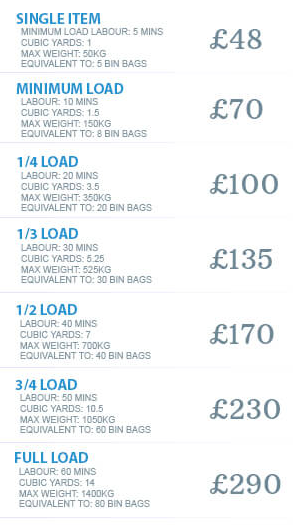
 Tipper Van - Rubbish Removal and Junk Collection Prices in Holland Park, W8
 Luton Van - Rubbish Removal and Junk Collection Prices in Holland Park, W8